

Commercial Scent Diffusers and HVAC Scenting: A Buyer Guide
A technically useful comparison of commercial scent delivery approaches for facilities, operations and marketing buyers: how diffusion works, when HVAC or standalone systems suit a site and why site assessment can be required.
HVAC scenting distributes fragrance through a compatible air-handling system, while standalone commercial diffusers deliver scent from equipment installed within or near the target area. Neither approach is automatically better. Suitability depends on the building, the number and shape of scent zones, control requirements, installation access, operating pattern and rollout plan, which is why site assessment is normally required before a final specification.
Reviewed by: Scent Australia technical review. Last reviewed: Pending first technical review.
How commercial diffusion works
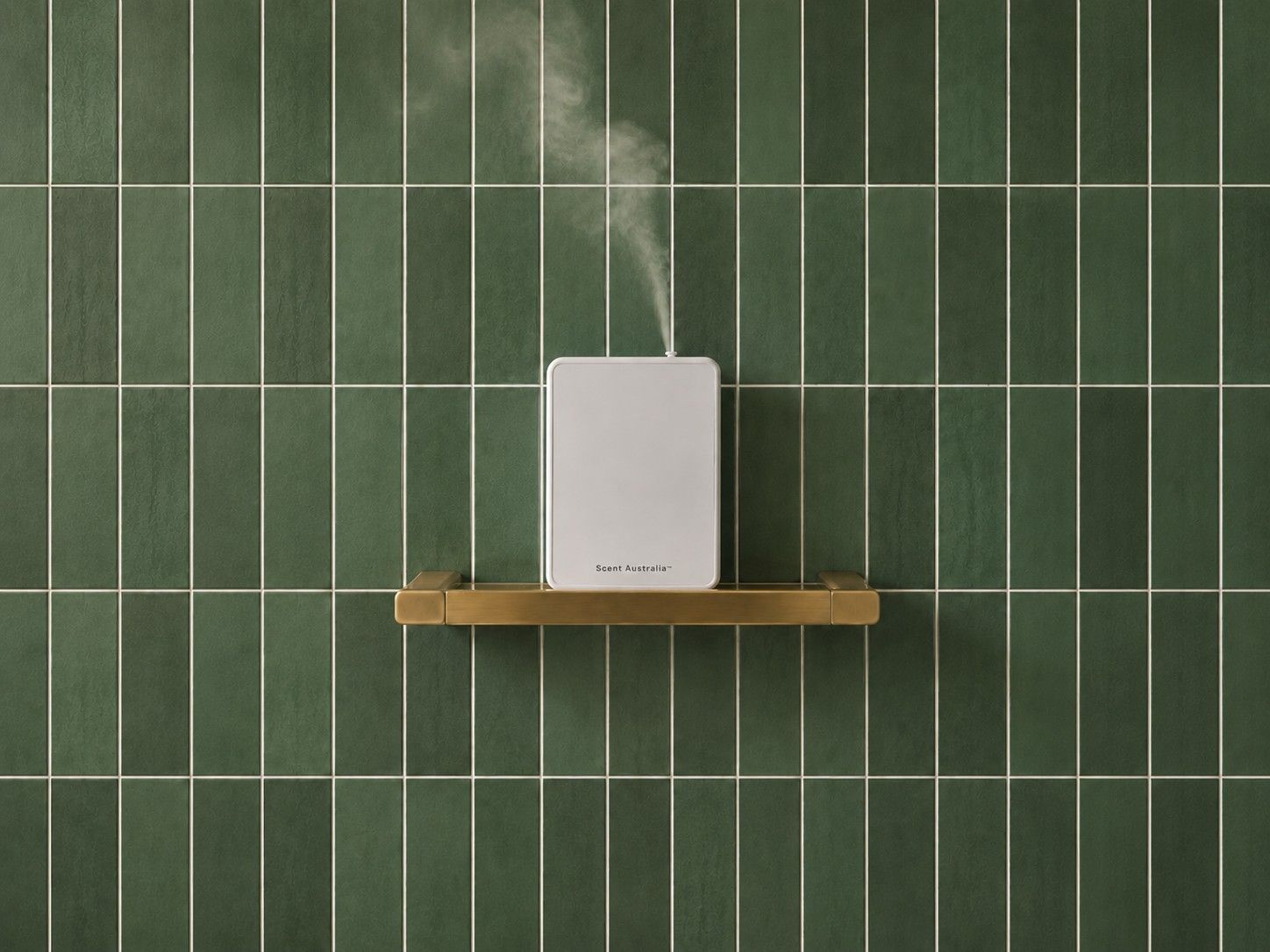
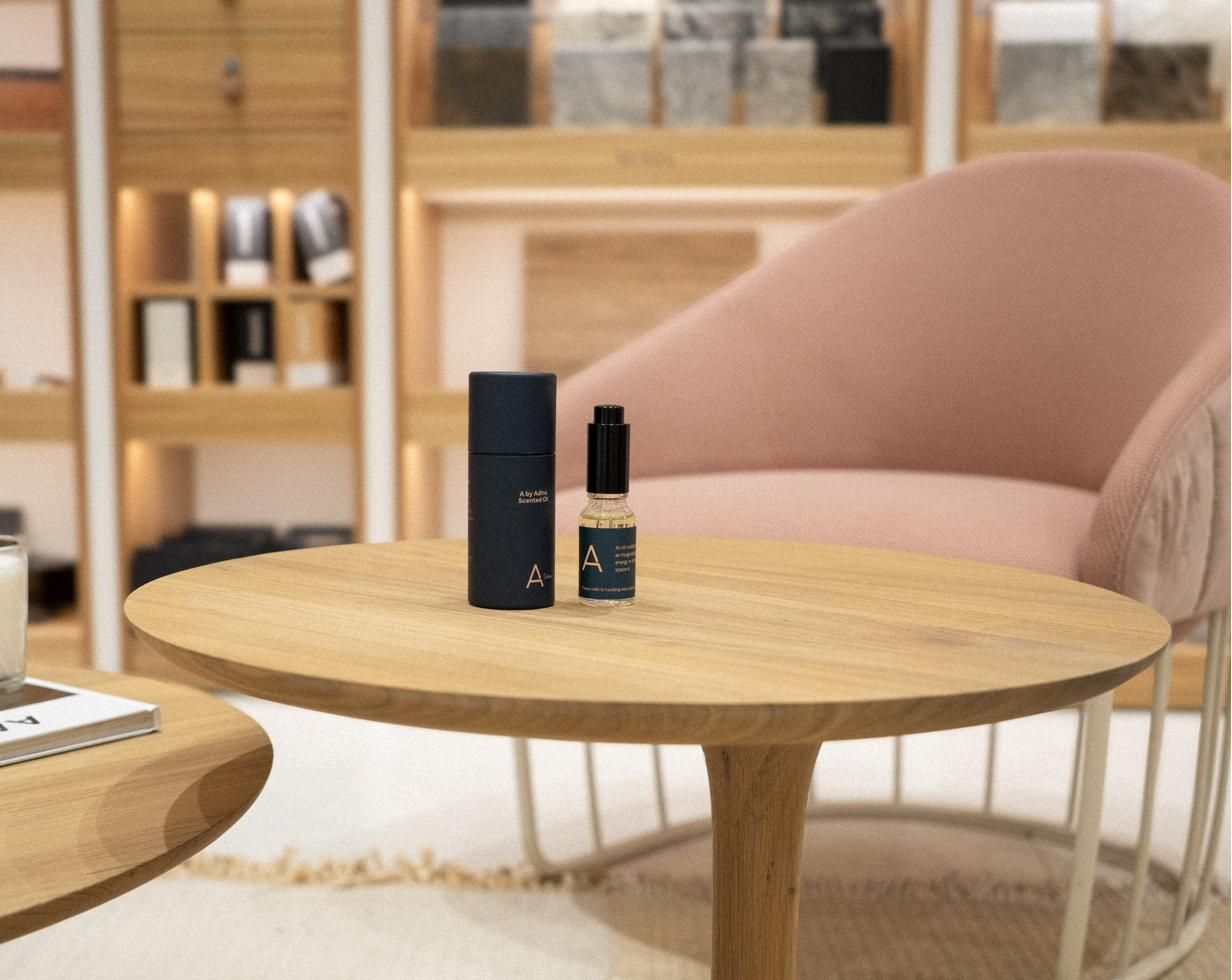
Commercial systems use cold-air diffusion: micro nebulisation or micron diffuser technology atomises fragrance oil into a fine dry mist without heat or water. Intensity is set through output level, operating hours, placement and blend, and confirmed in the space.
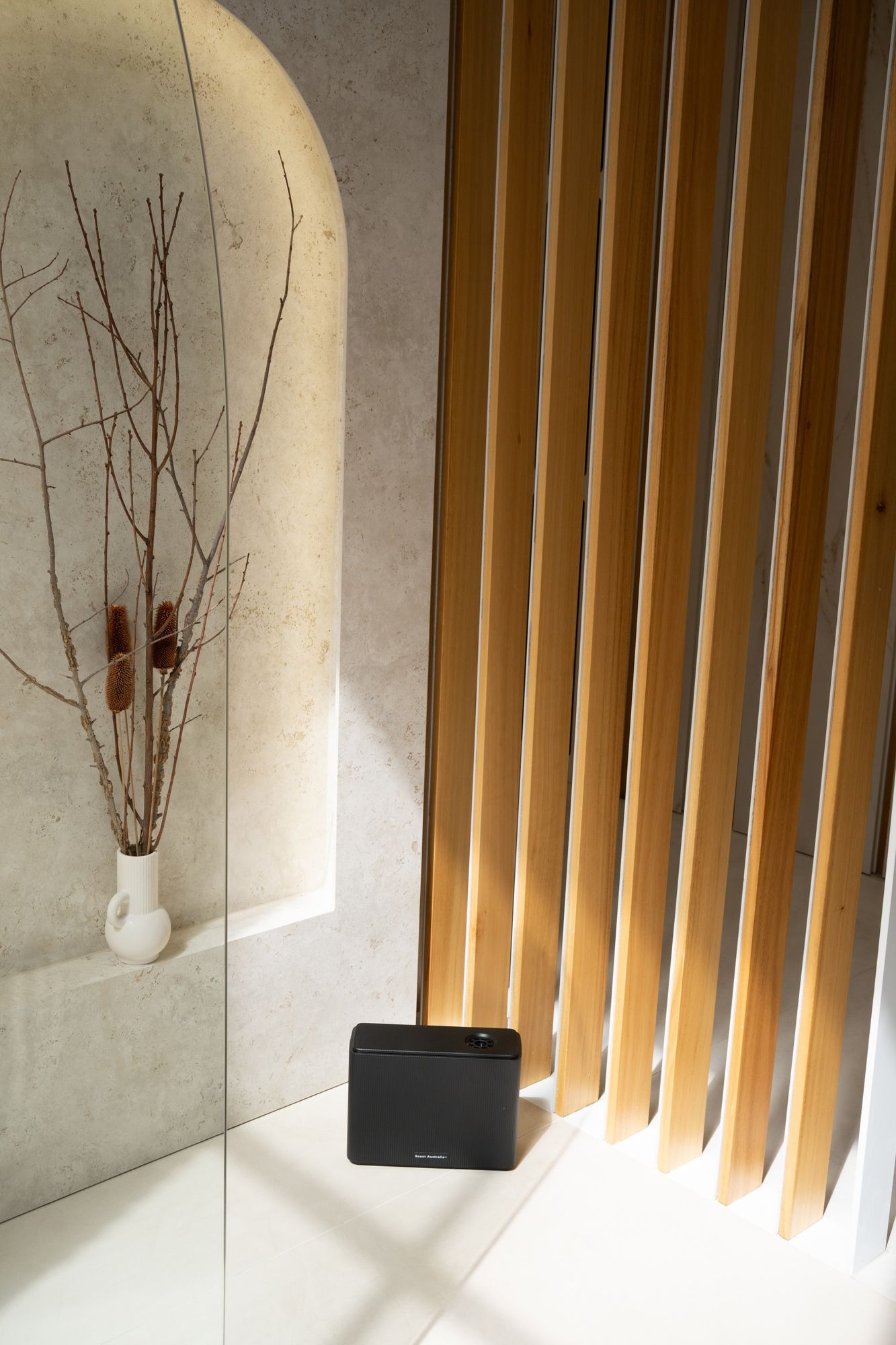
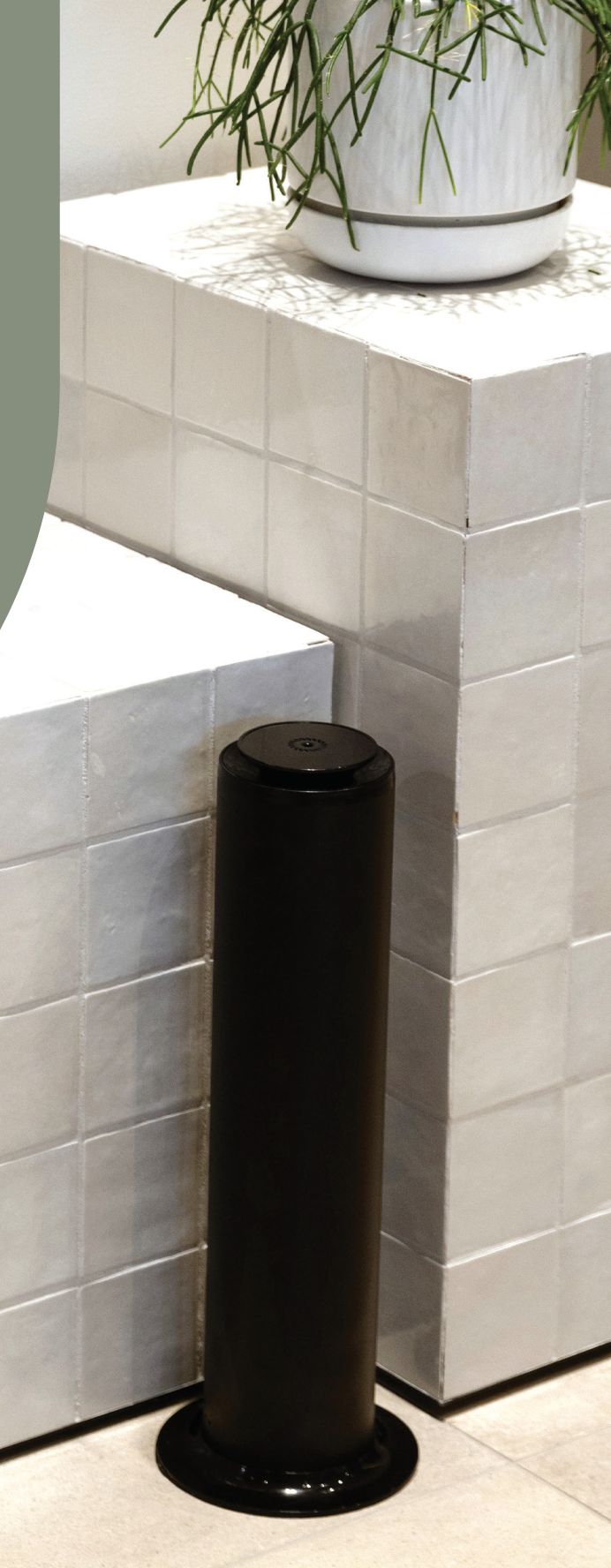
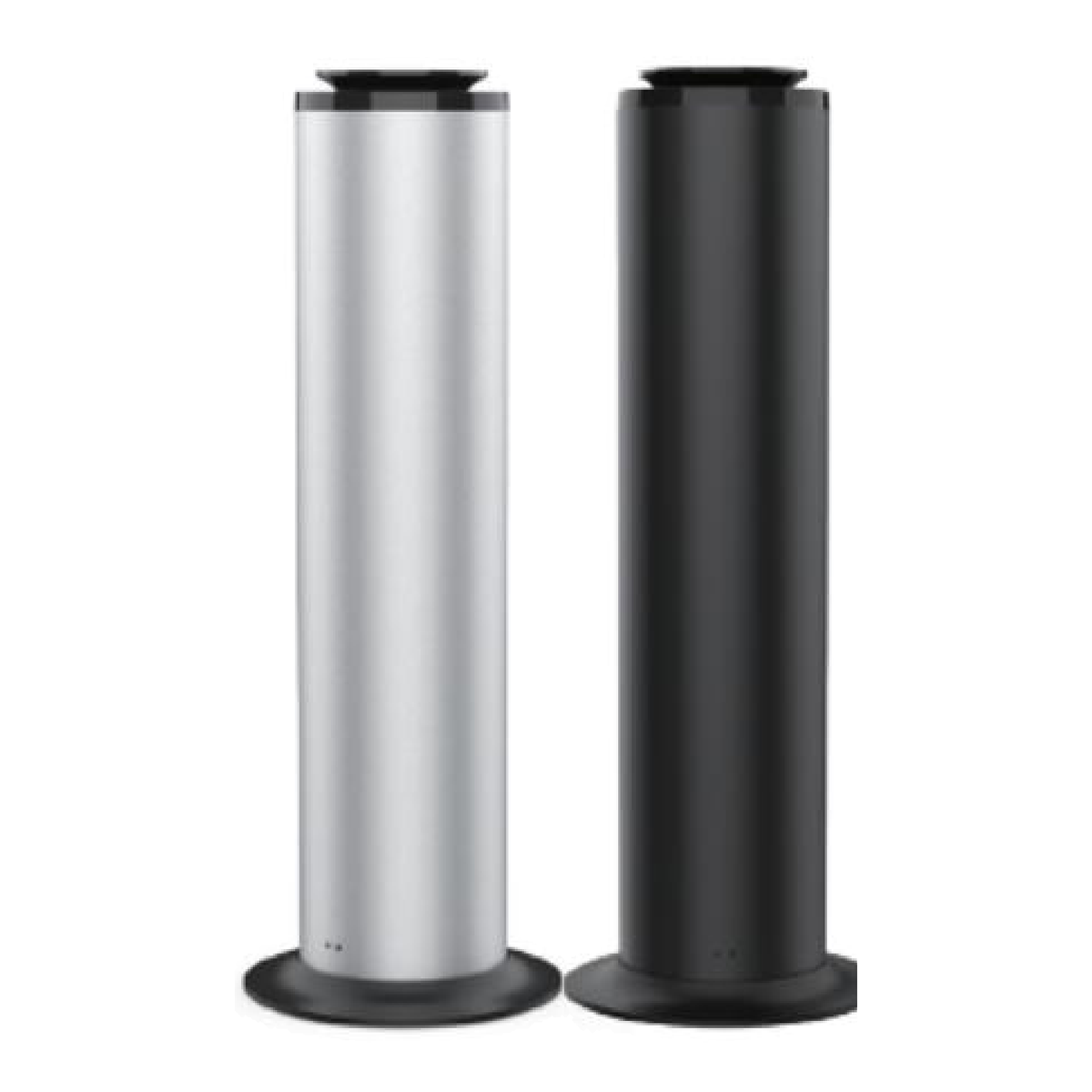
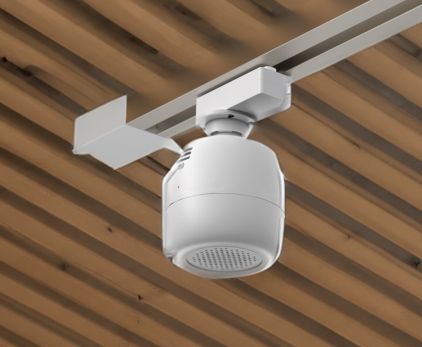
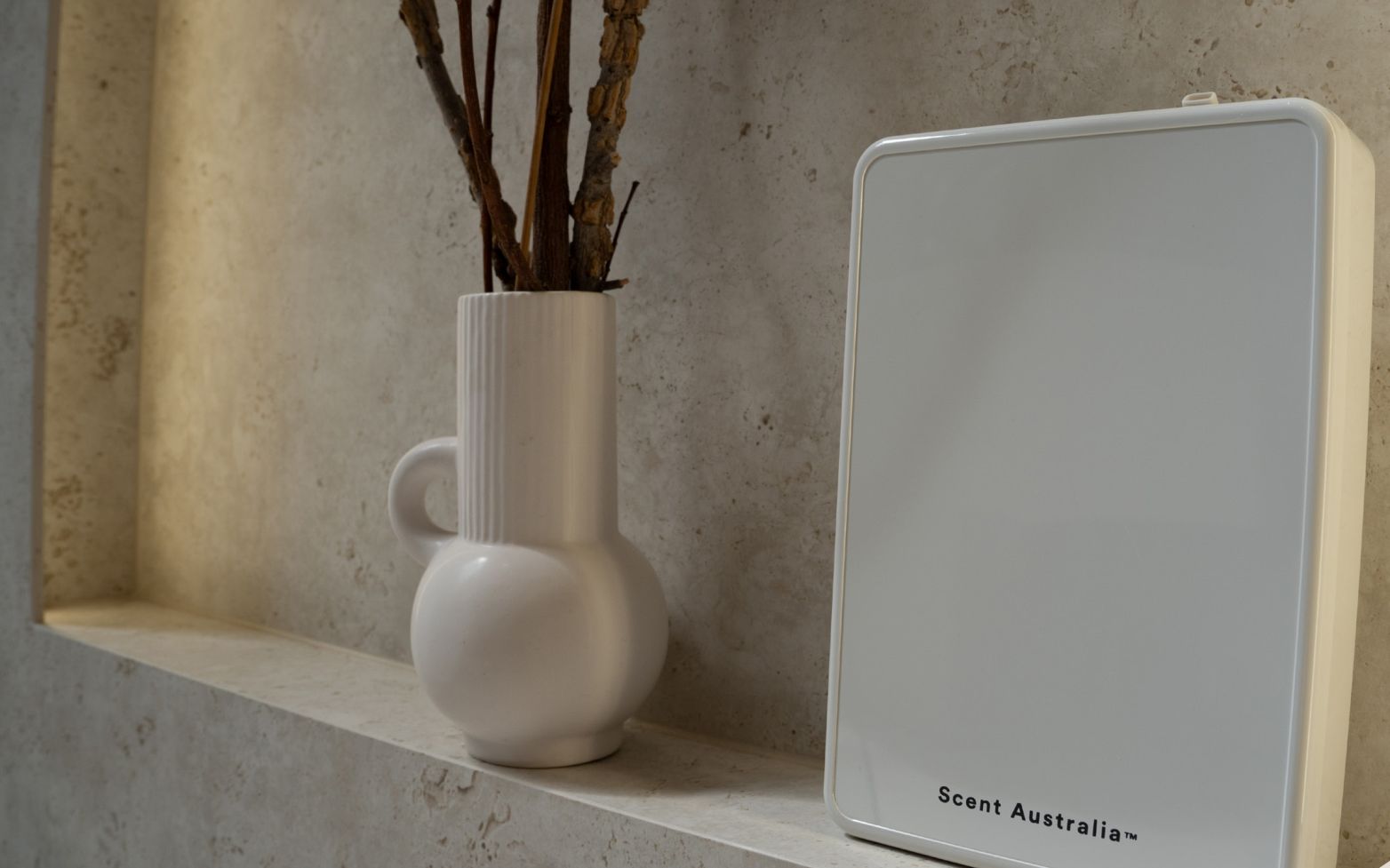
Standalone systems
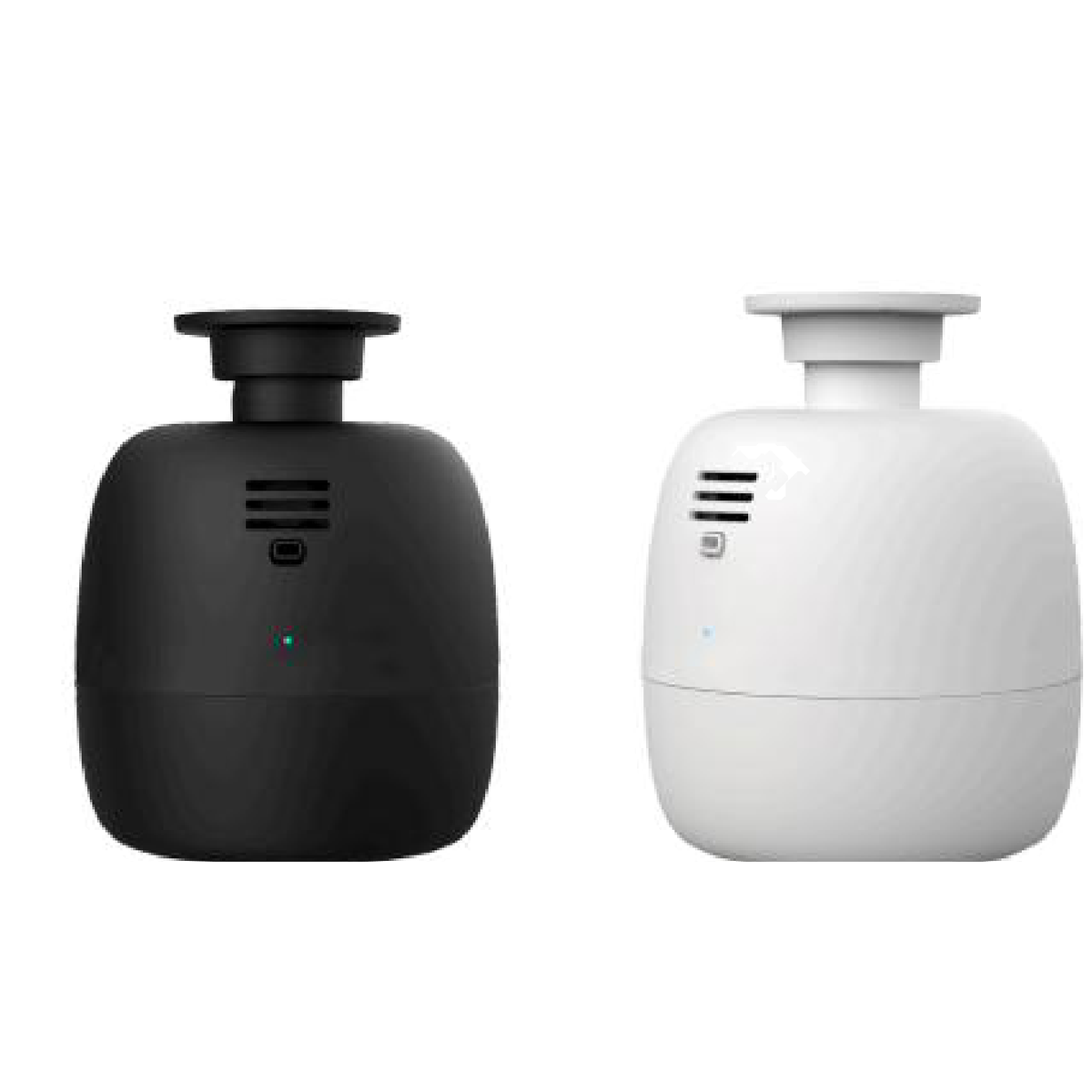
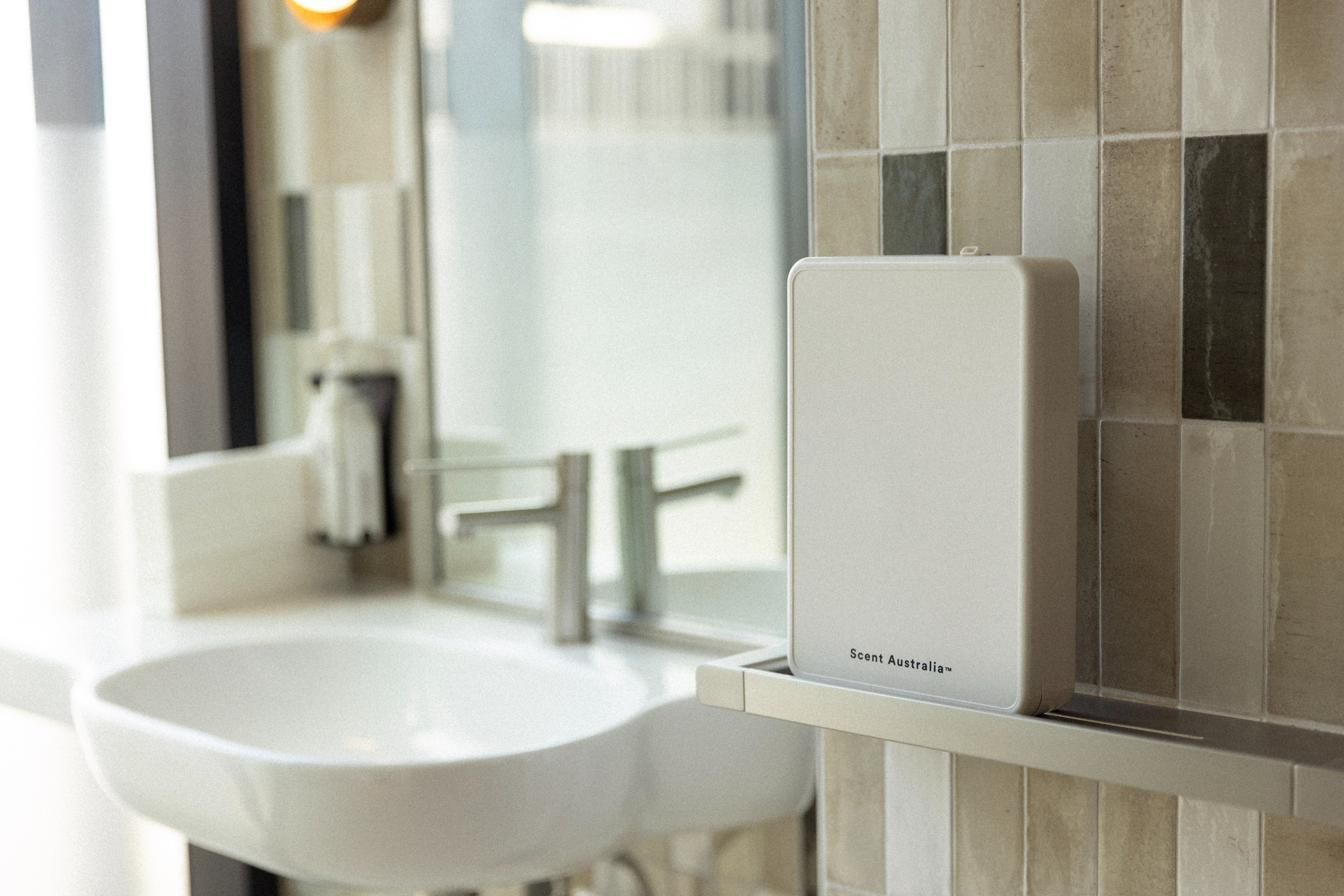
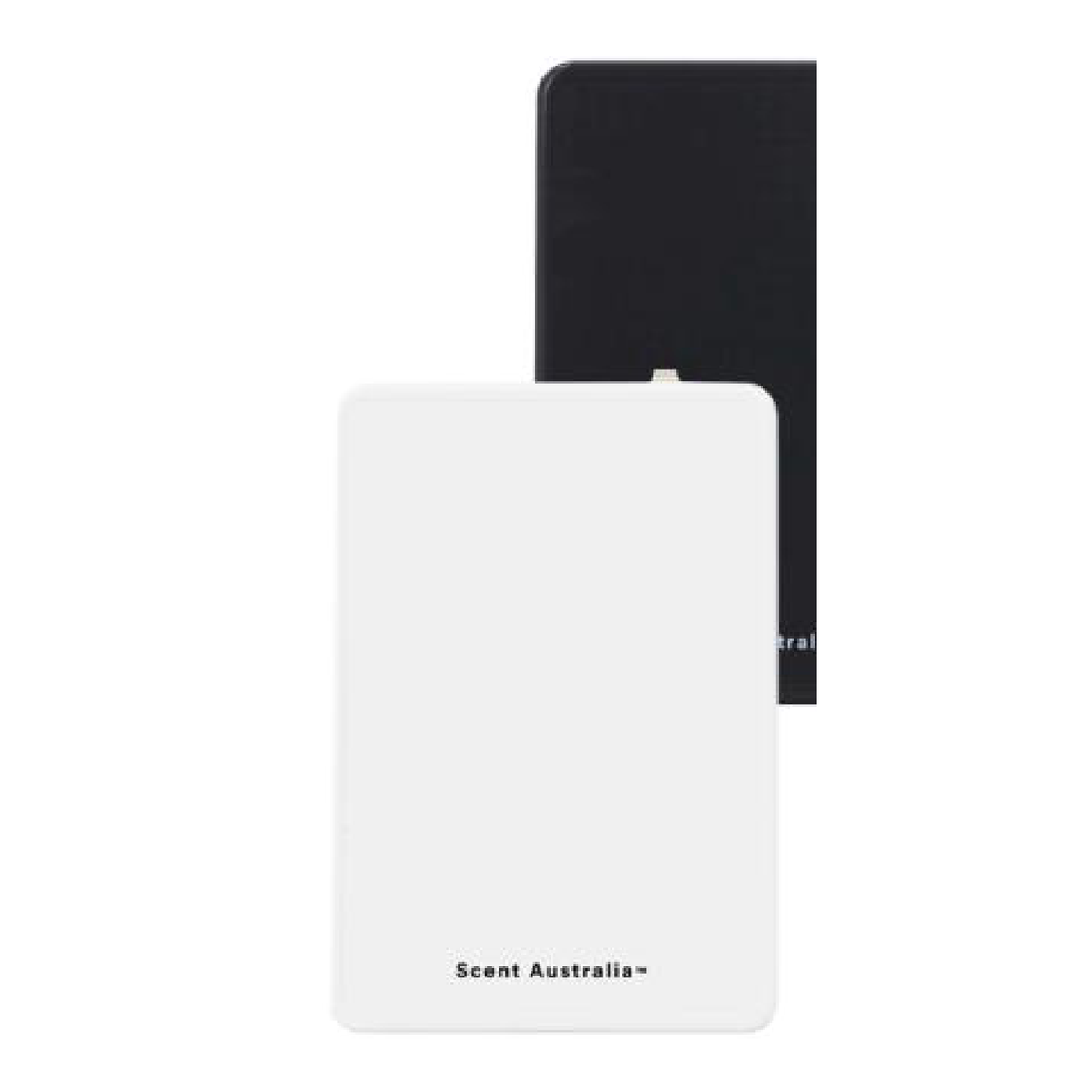
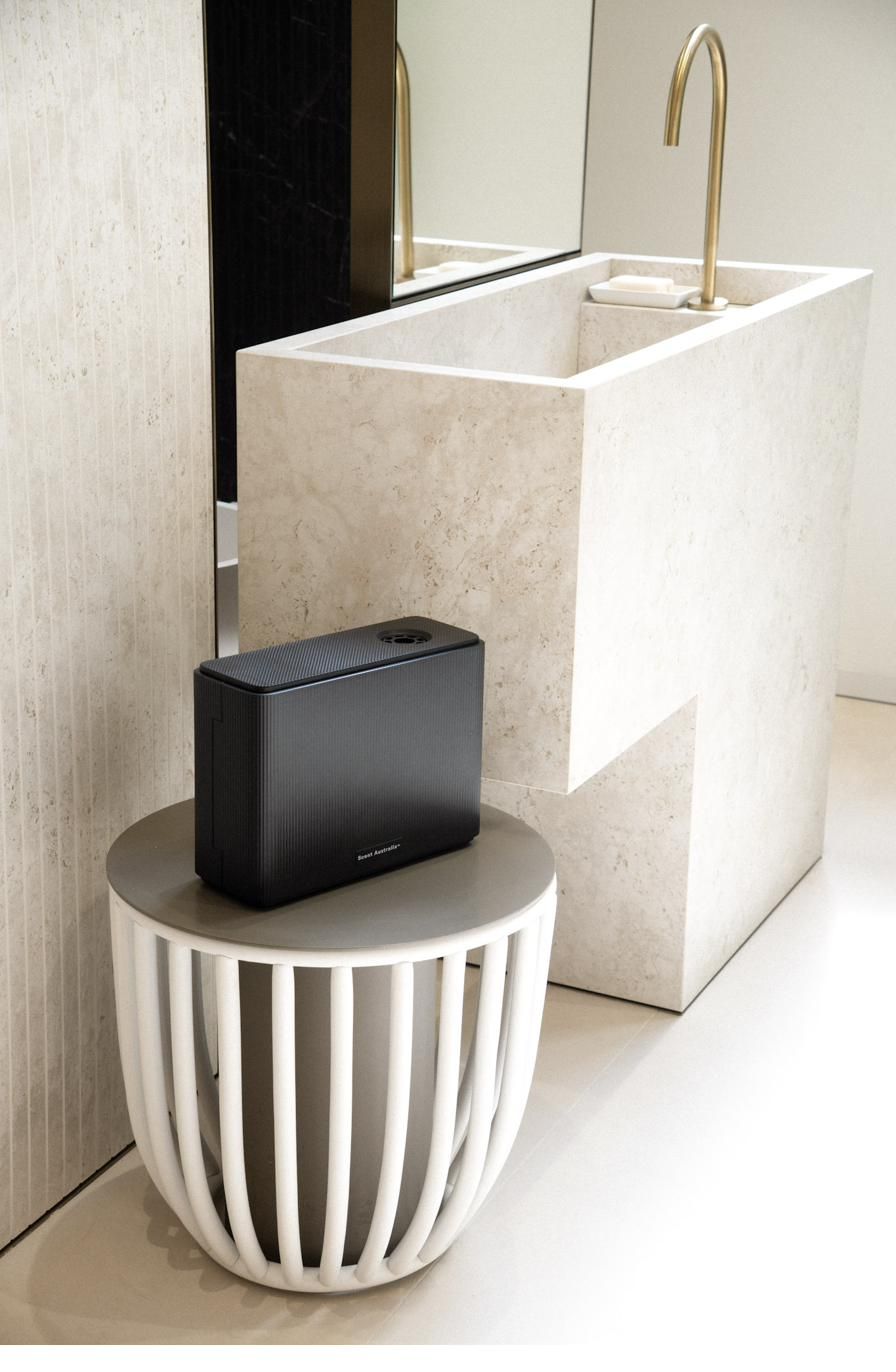
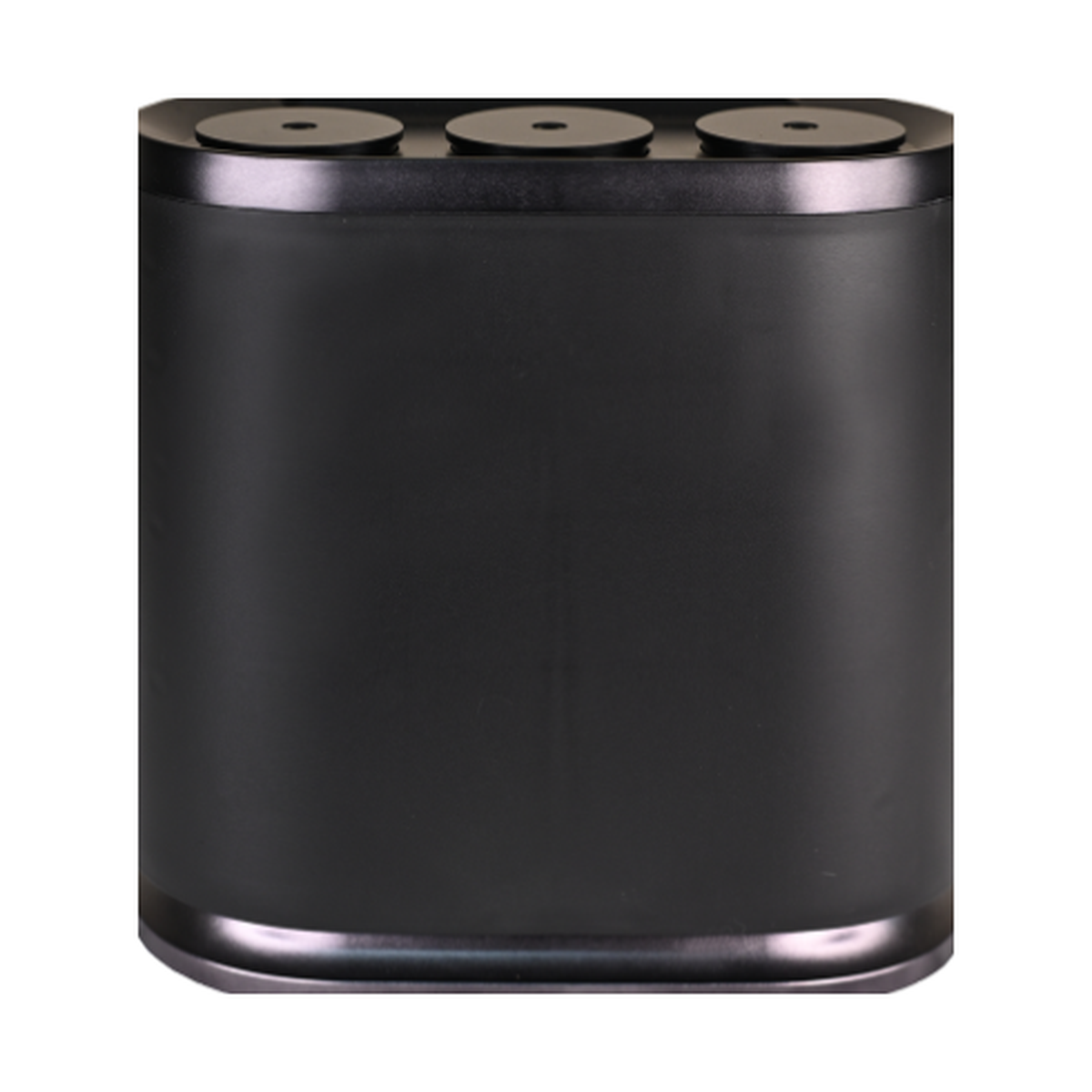

Compare approaches
The comparison below is a decision aid, not a ranking.
| Decision factor | HVAC scenting | Standalone commercial diffusers |
|---|---|---|
| Best fit | Often considered for larger connected areas where a compatible HVAC system can distribute scent through the intended zone. | Often considered where localised control, simpler deployment or distinct scent zones are required. |
| Zoning | Depends on the air-handling layout and which spaces the relevant system serves. | Can be placed to serve defined local areas, subject to site assessment. |
| Installation | Requires technical assessment of the relevant HVAC environment and installation access. | Installation requirements vary by unit and site; some deployments can be less infrastructure-dependent. |
| Control | Control depends on the equipment, site configuration and approved operating settings. | Local or portfolio-level control depends on the selected commercial system. |
| Multisite rollout | Can suit repeatable site formats where HVAC conditions are sufficiently consistent. | Can suit portfolios with varied site conditions because systems can be selected location by location. |
| Key risk | Assuming HVAC suitability without checking the actual air-handling design. | Assuming a single unit can serve an area without considering layout, airflow and obstructions. |
When HVAC scenting may be worth assessing
More on when HVAC scenting may be worth assessing
- The target experience covers a substantial connected area rather than a single small zone.
- The relevant air-handling system serves the areas that need to be scented.
- The site permits access for technical assessment and installation.
- The business wants a discreet delivery approach with limited equipment visible in customer-facing areas.
When standalone systems may be worth assessing
More on when standalone systems may be worth assessing
- The site needs distinct local scent zones.
- The HVAC system does not align with the intended scenting area.
- The project needs a deployment approach that can adapt across very different sites.
- The site has installation or tenancy constraints that make HVAC integration impractical.

Space volume and airflow
A nominal floor area does not tell you whether one system can serve a space. Ceiling height changes the volume of air in the environment; supply air, extraction, open doors and other airflow change distribution.
Zoning
Walls, corridors, lifts, doorways and separate rooms create distinct scent zones. The assessment identifies which zones need scenting and specifies each separately.
Controls and scheduling
Current systems set operating hours and intensity through the Bluetooth Scent App; HVAC units use electronic timing. Schedules follow trading hours and are adjusted after commissioning.
Installation
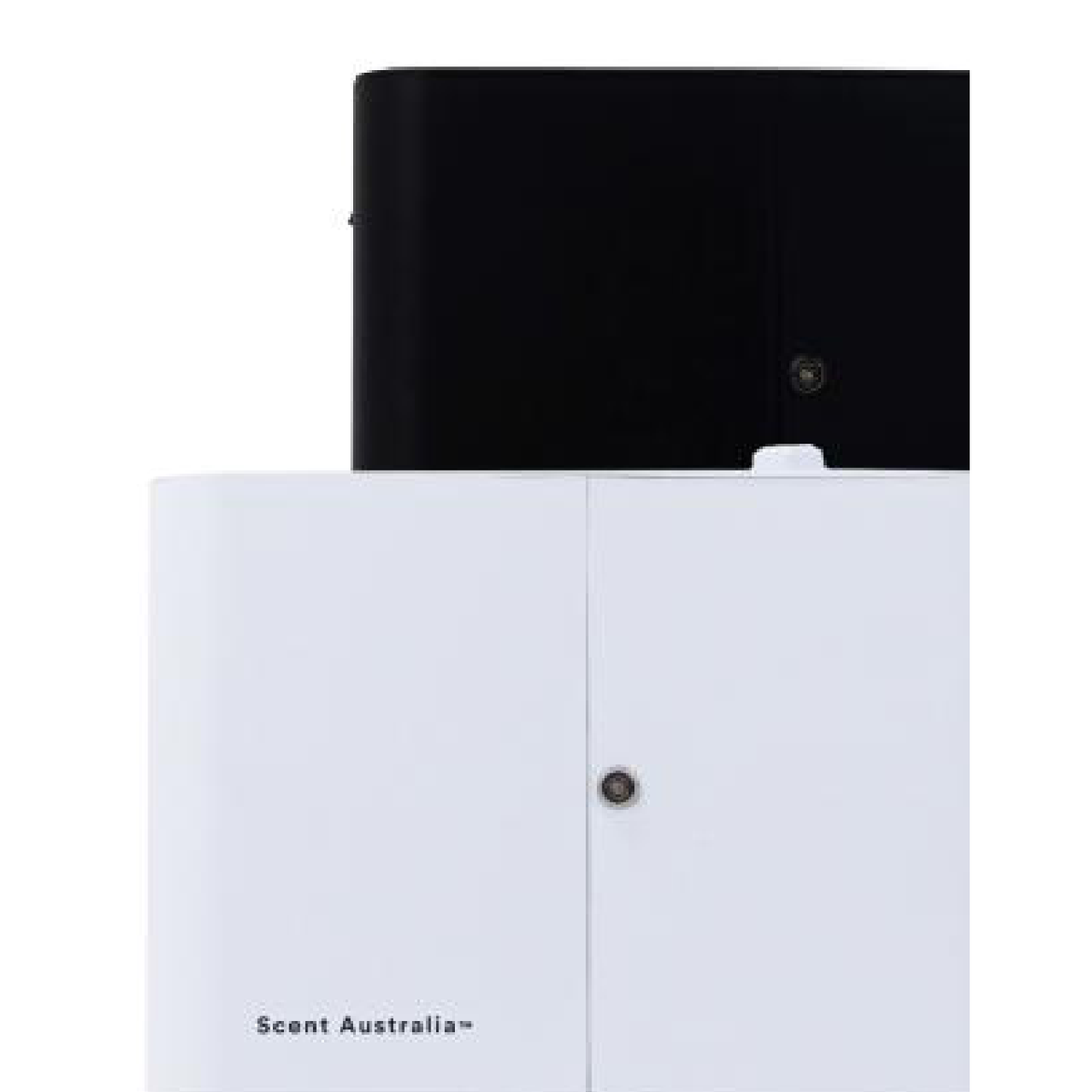
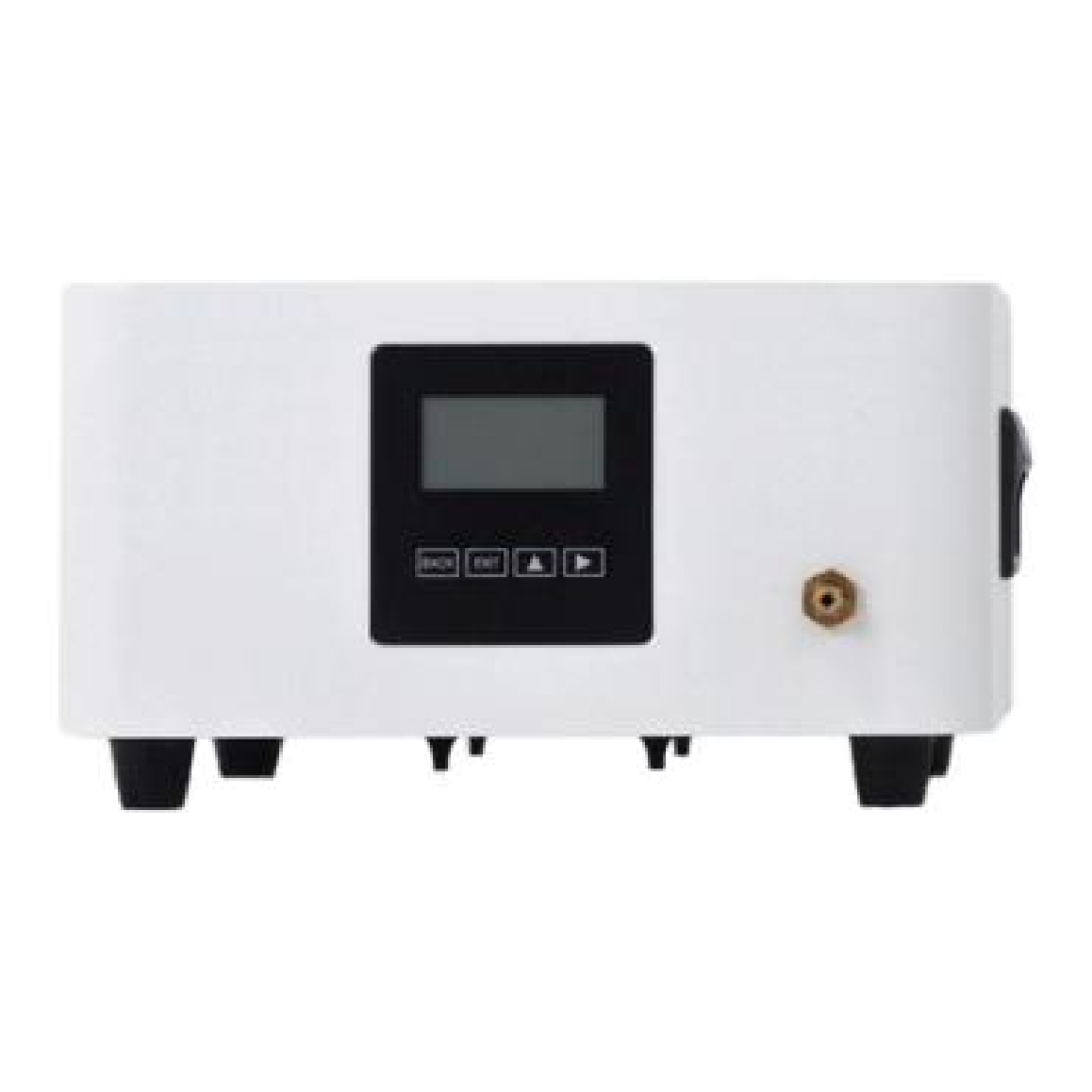
Standalone units are commissioned in the space. HVAC units require shelf support, clearance beneath ductwork and access to supply air, in coordination with facilities or mechanical contractors.
Maintenance
Refills or cartridge changes, device checks and setting management follow the service plan for the site.
[OPERATIONS CONFIRMATION REQUIRED] Detail on this topic is pending confirmation and is not invented in the prototype.
Multisite
Approved equipment classes are set centrally; output and placement vary by site.
Can a project use both?
Yes. A commercial scenting design can use different delivery methods for different zones when the site requires it. The programme is designed around the environment, not around forcing every location into one device type.
Selector
The Diffuser Selector ranks likely system families from published product data and your answers; the Coverage Calculator narrows the indicative equipment class.
Planning tool
Commercial Diffuser Selector
Narrow the likely system families for a space and move into a technical assessment.
About 2 minutes. You receive: ranked likely system families with reasons and caveats, plus an assessment path.
Questions we are often asked
HVAC or standalone?
Neither is automatically better. HVAC suits large connected areas served by a compatible air-handling system; standalone suits defined zones, retrofits and constrained spaces. Many sites use both.
How many diffusers do I need?
That cannot be calculated reliably from floor area alone. Layout, air movement, ceiling height, zoning and the selected system also matter. A site assessment confirms quantity.
What determines coverage?
Volume, airflow, zoning, doors, use pattern, placement and desired intensity, together with the system's published capability under stated conditions.
Does HVAC scenting affect air purification?
Fragrance delivery and air purification are different functions. HVAC scenting is not described as cleaning or purifying air. Air-purification questions are referred to Airdog Australia.
Related resources
Content guardrail: No false precision, unverified coverage or site-specific engineering advice.

Start with the right conversation.
Build an indicative plan in a few minutes, or speak to a Scent Australia specialist about the site, the brand and the timing.