


HVAC Scenting for Commercial Buildings
HVAC scenting carries fragrance through your building's air-handling system for broad, even and discreet coverage across large connected spaces. Scent Australia assesses airflow, ducting and zoning first, so the system is specified to perform in your building.
HVAC scenting introduces fragrance into a compatible commercial air-distribution system so scented air is carried through selected zones. Mechanical layout, air volume, return and supply paths, zoning, fresh-air rates and access all shape the specification, which is why every HVAC project starts with a site assessment.
How HVAC scenting works in practice
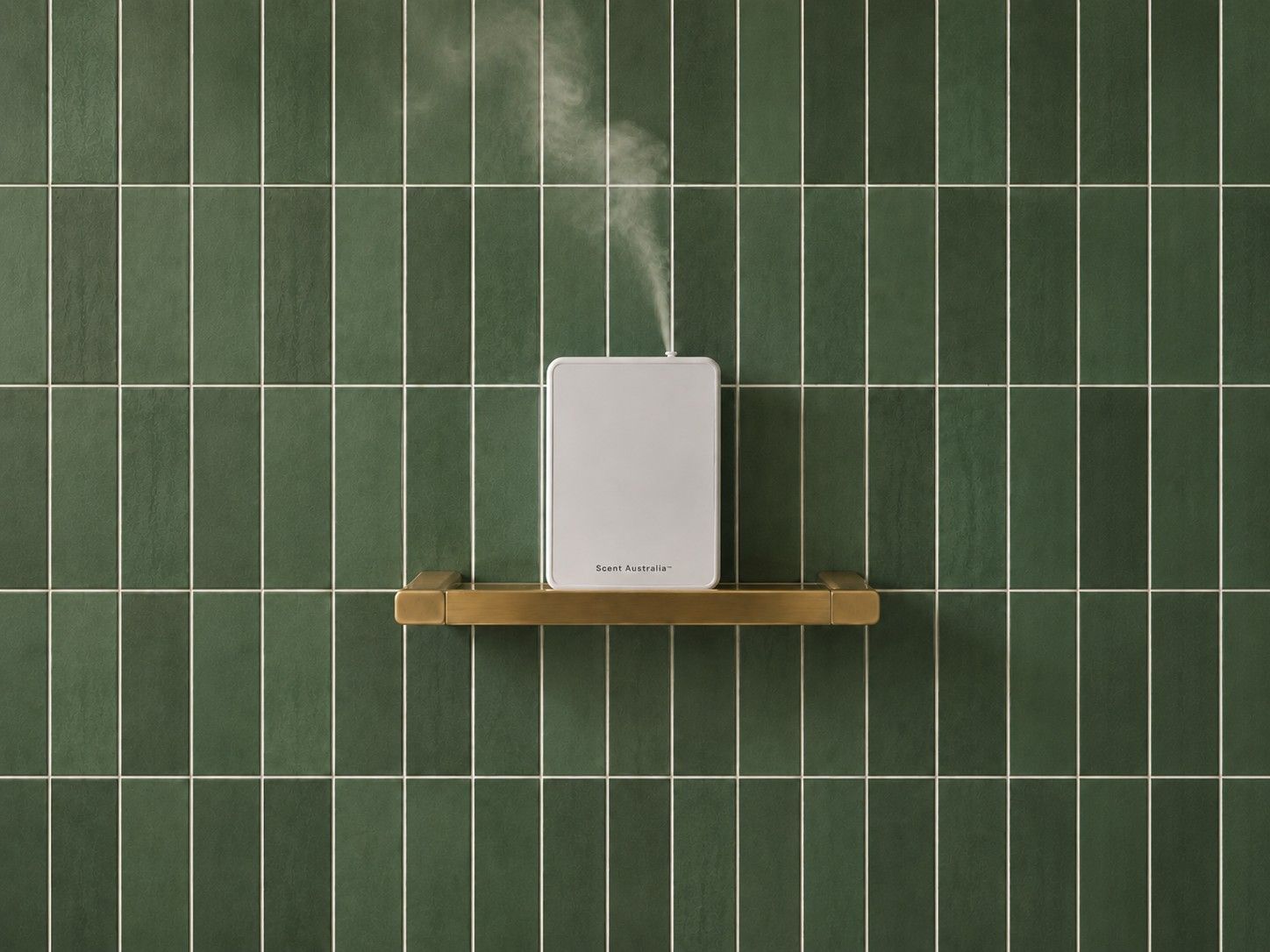
Fragrance oil is atomised without heat or water, released as a fine, dry mist and carried through the space by the unit's fan or the building's air handling.
Commercial fragrance formulated for the system.
Atomised without heat or water.
Released into the air in fine particles.
Carried by the unit's fan or the building's air handling.
Spread through the zone at the intensity set at commissioning.
Suitable buildings
Large connected environments served by air-handling units that align with the zones to be scented are the usual candidates: shopping centre zones, casino floors, hotel public areas and multi-level offices with compatible mechanical systems.
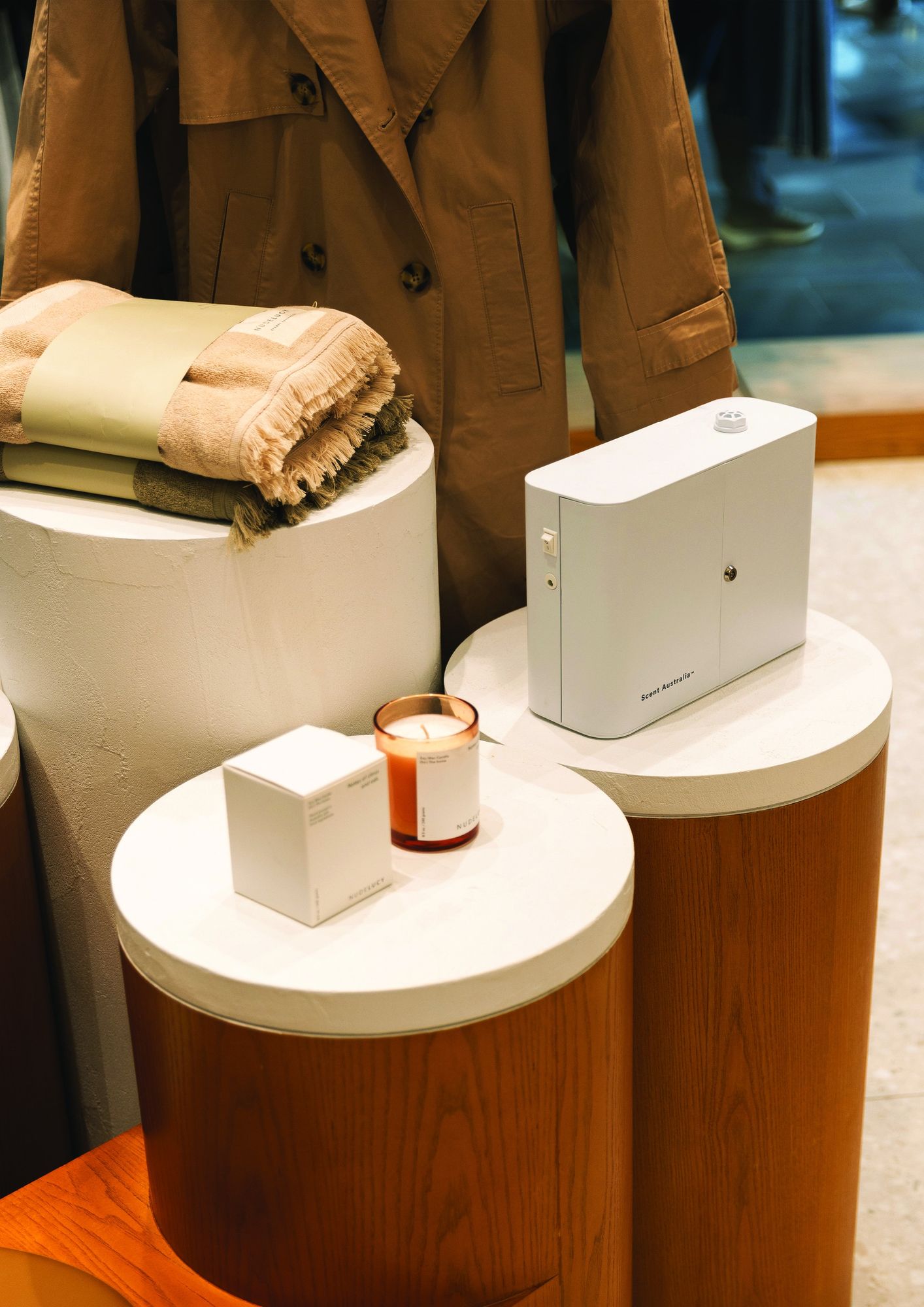
Check zoning before coverage
A nominal floor area does not tell you whether one system can serve a space. The assessment needs to understand which air-handling unit serves which zones and whether the target areas can be controlled without affecting unintended spaces.
Compare HVAC and standalone approaches
HVAC can suit large connected environments and hidden installations. Standalone commercial diffusers can be faster to deploy, easier to isolate and more practical in leased or mechanically constrained spaces. Mixed systems may also be appropriate.
- Best fit. Larger connected areas where a compatible HVAC system can distribute scent through the intended zone.
- Zoning. Zones follow the building's air-handling layout, so scent reaches the areas each system serves.
- Installation. Technical assessment of the HVAC environment and installation access.
- Plan for. A site assessment of the air-handling design, so the system is specified to perform.
- Best fit. Localised control, simpler deployment or distinct scent zones.
- Zoning. Placed to serve defined local areas, subject to site assessment.
- Installation. Varies by unit and site; some deployments are less infrastructure-dependent.
- Plan for. Placement that accounts for layout, airflow and obstructions, so every zone is evenly scented.
The right choice depends on your building and the spaces you want to scent. Many sites combine both, with HVAC for large connected areas and standalone diffusers where scent needs to be placed precisely. Read the diffuser and HVAC guide

Plan installation and maintenance access
The installation should account for safe access, controls, refill or cartridge changes, inspection and coordination with facilities or mechanical contractors. Site-specific engineering decisions should remain with appropriately qualified parties.
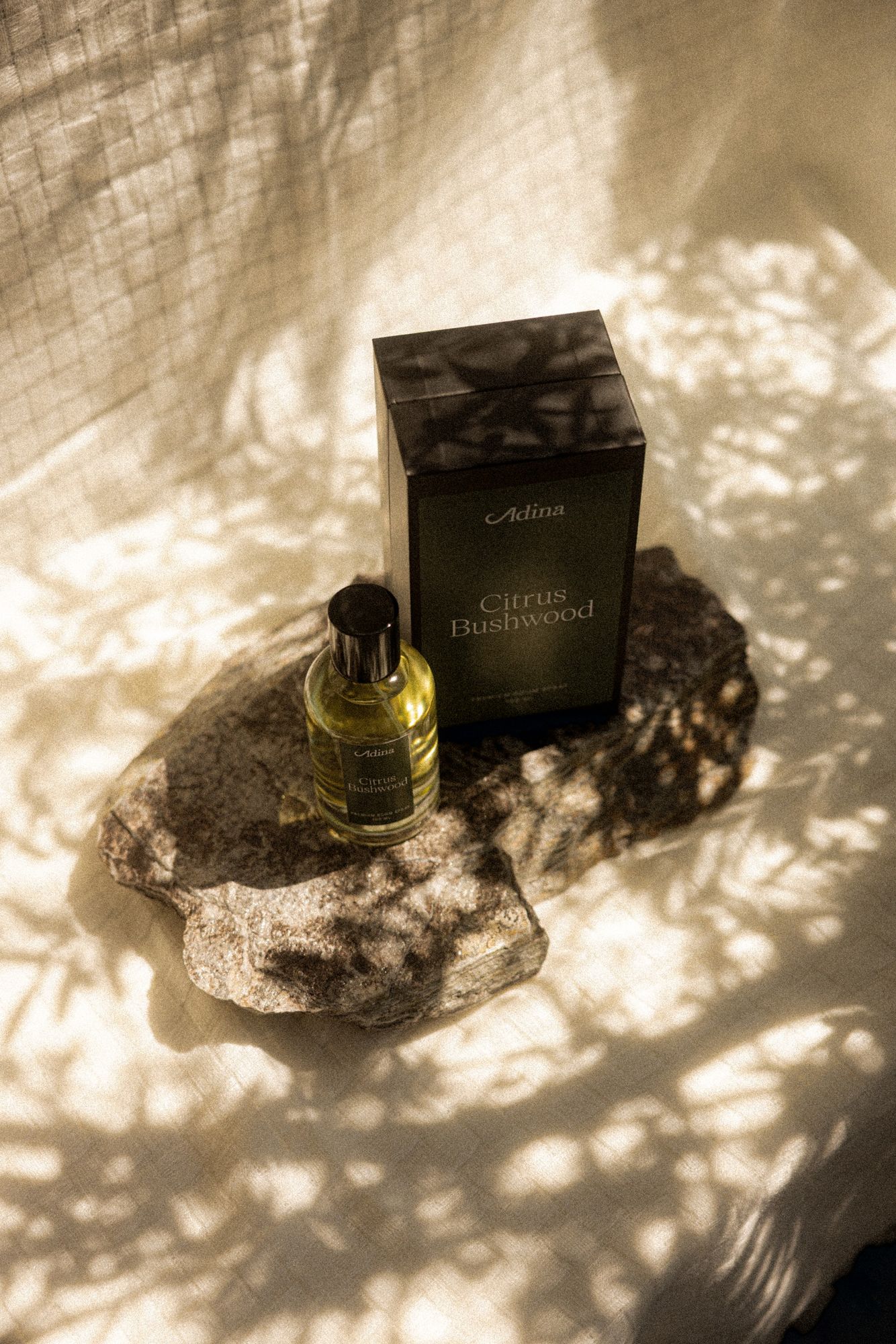
Coverage specified for your building
Coverage is set by air movement, volume and the scent intensity you want, so Scent Australia specifies each HVAC system to the building rather than to a generic square-metre figure.

Decision factors
Questions we are often asked
Is HVAC scenting suitable for my building?
Most commercial buildings with a compatible air-handling system are strong candidates. Scent Australia confirms suitability through a site assessment of the mechanical system, zoning, airflow and access.
Is HVAC scenting better than a standalone diffuser?
Each suits different spaces. HVAC excels across large connected areas, while standalone diffusers suit defined zones. The better option depends on the building, target zones, installation constraints and service requirements, and many sites use both.
Can HVAC scenting be installed without a mechanical review?
Building and contractor requirements need to be confirmed for each project. Site-specific engineering decisions belong with appropriately qualified parties after assessment.
Related resources


Start with the right conversation.
Build a scent plan in a few minutes, or speak to a Scent Australia specialist about your space, your brand and your timing.