


Multisite Scenting for Retail, Hospitality & Enterprise
Turn a scent concept into a repeatable programme across dozens or hundreds of locations. A multisite programme keeps the fragrance, equipment, installation and servicing consistent across every location, with settings adjusted for each site.
Multisite scenting is the coordinated deployment and management of a commercial scent programme across multiple locations. Consistency comes from standardising fragrance, site-assessment data, approved device configurations, controls and service processes, not from forcing identical output settings in every building.
How multisite scenting works
The programme should define which fragrance is approved, what site data must be collected, which equipment classes are permitted, how intensity is commissioned and who can authorise changes.
- 01Create a rollout standard before scalingApproved fragrance, required site data, permitted equipment classes, commissioning method and change authority.
- 02Segment sites by formatGroup locations into practical archetypes so equipment selection and rollout planning are efficient while site-specific exceptions are preserved.
- 03Capture a reliable site registerLocation, zone, floor area where relevant, ceiling and airflow notes, device type, install date, service status and approved settings.
- 04Design servicing into the commercial modelPredictable replenishment, maintenance and escalation with clear central versus local responsibilities.
- 05Report on what mattersRollout completion, service status, approved client feedback and expansion opportunities.
Site variation and consistency standards
Networks often contain different store, hotel, office or venue formats. Grouping locations into practical archetypes makes equipment selection and rollout planning more efficient while preserving site-specific exceptions.
| Input | Why it is collected |
|---|---|
| Location details and target zones | Defines what is being scented at each site |
| Site dimensions or volume proxies | Initial equipment class band |
| Airflow and ventilation context | Distribution and HVAC suitability |
| Access requirements | Installation and service planning |
| Operating hours | Programme settings and consumption |
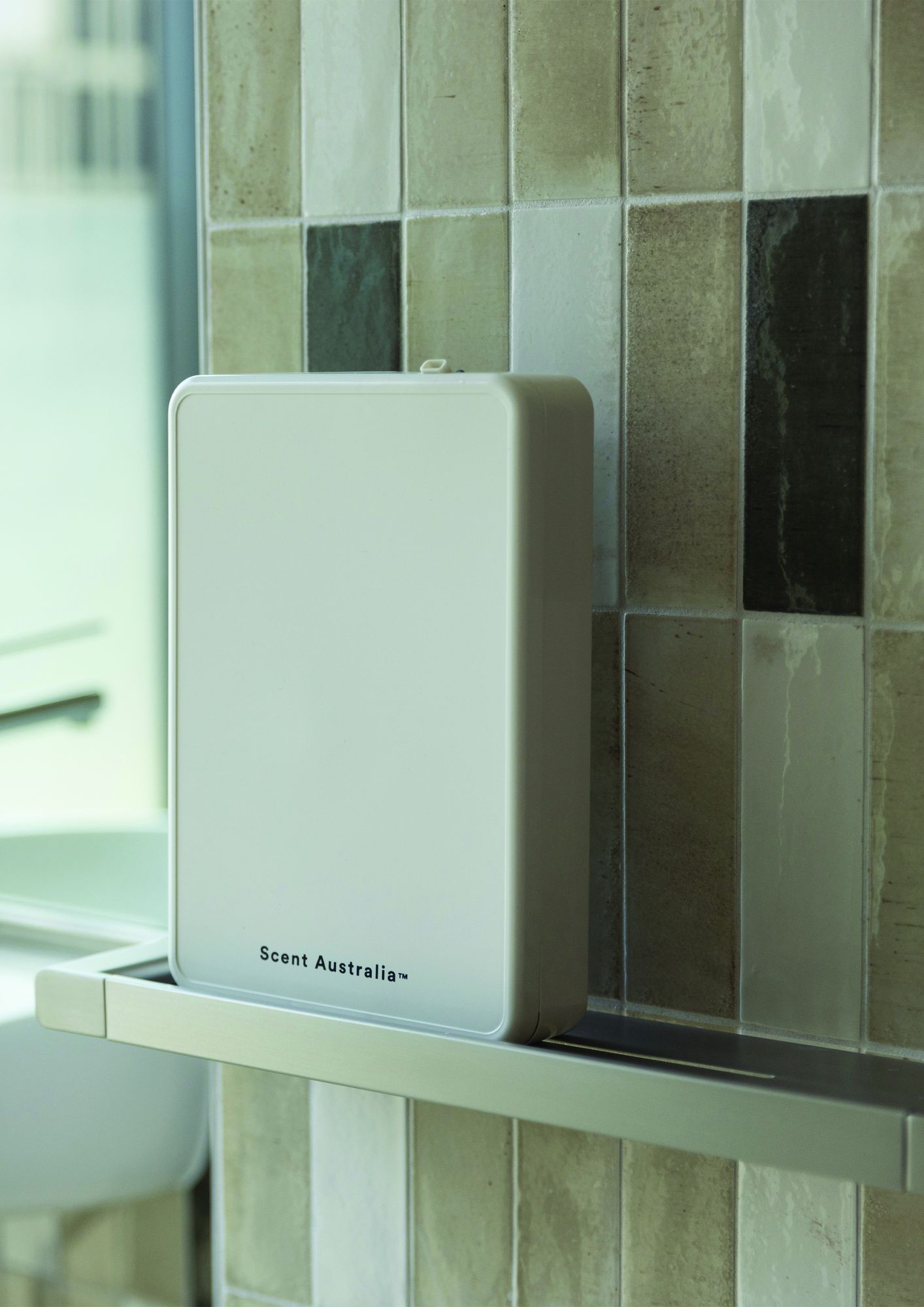
Capture a reliable site register
A central register should record location, zone, floor area where relevant, ceiling and airflow notes, device type, install date, service status and approved settings. This becomes the operational source of truth.
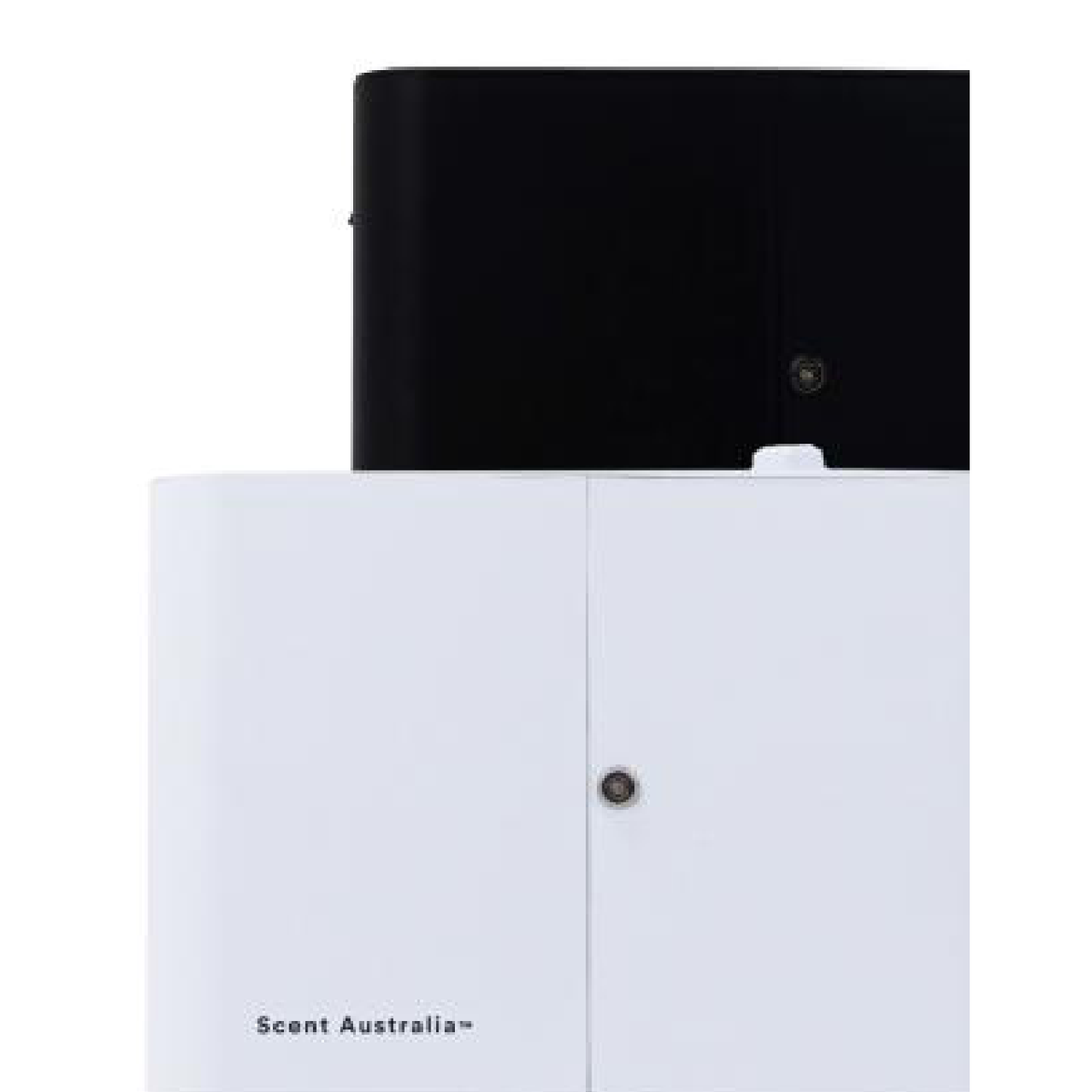
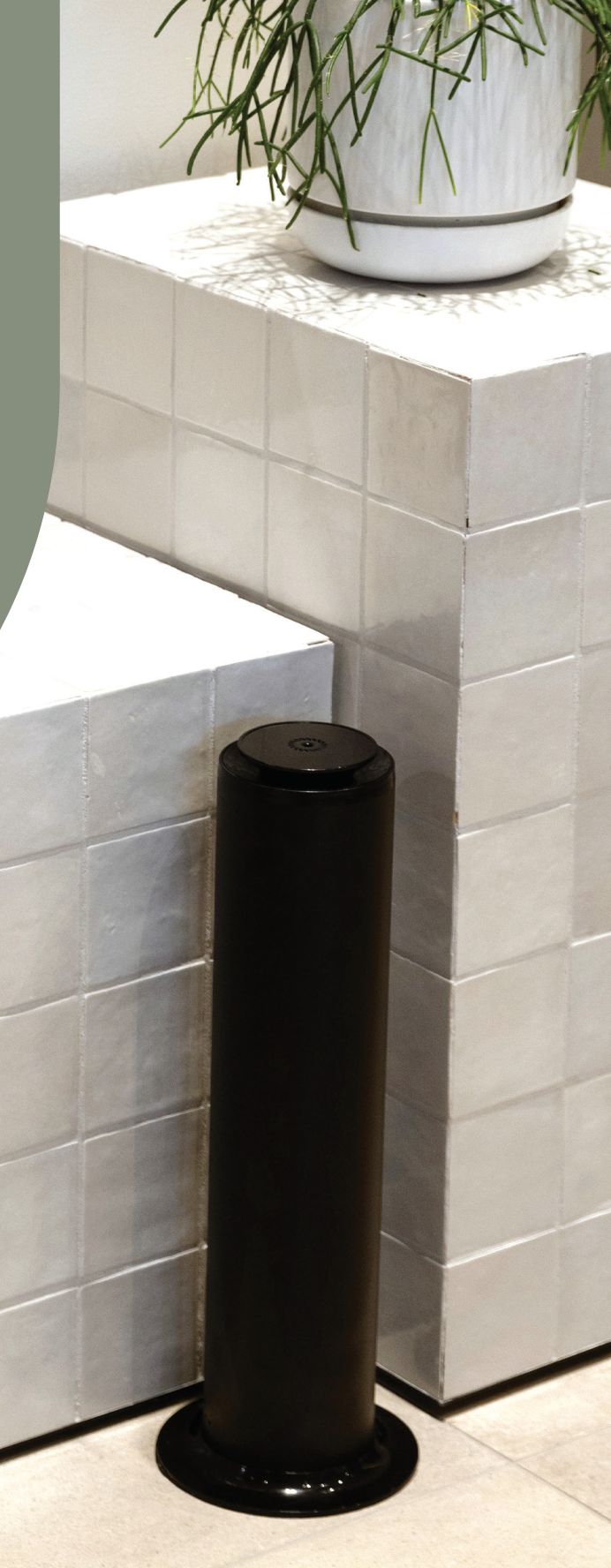
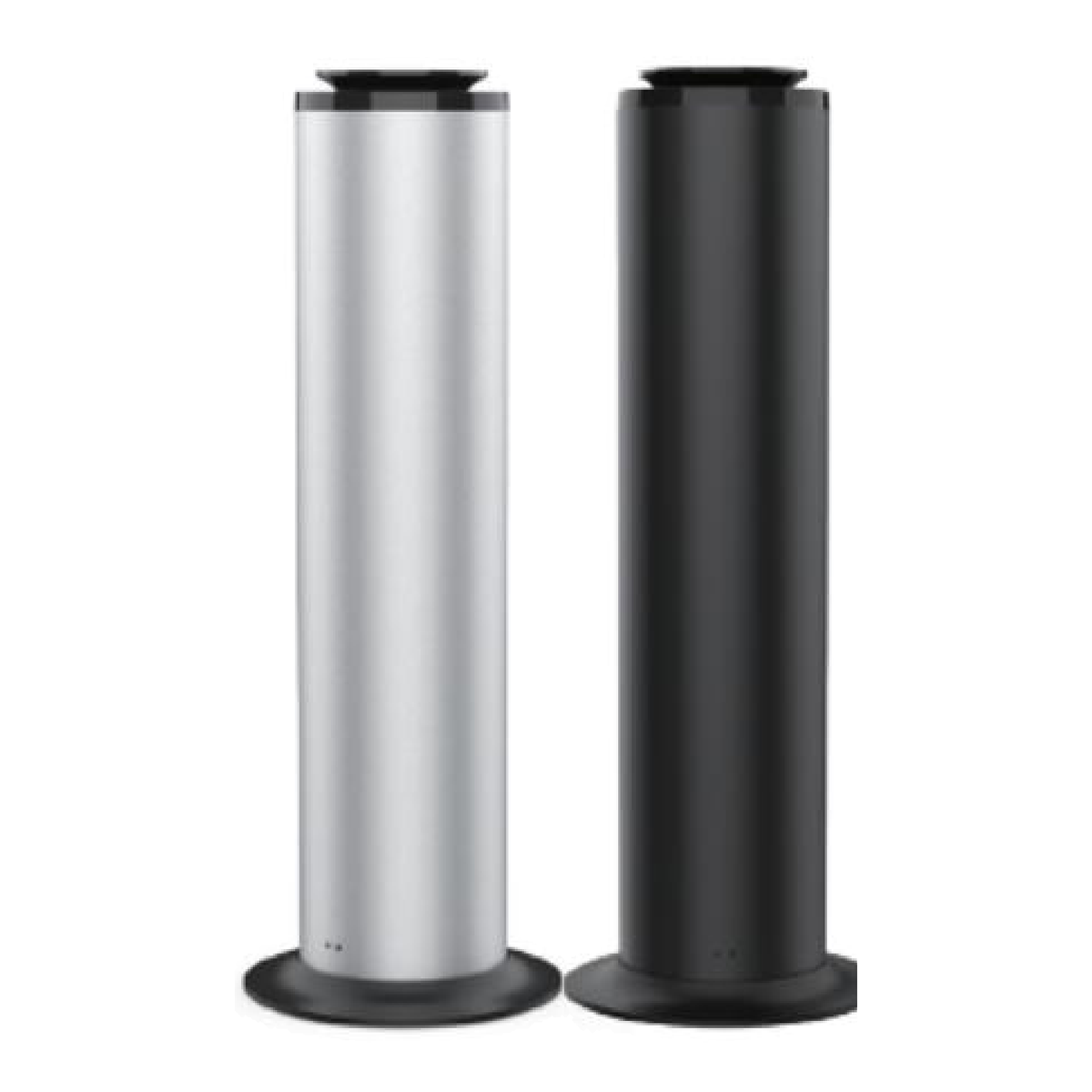

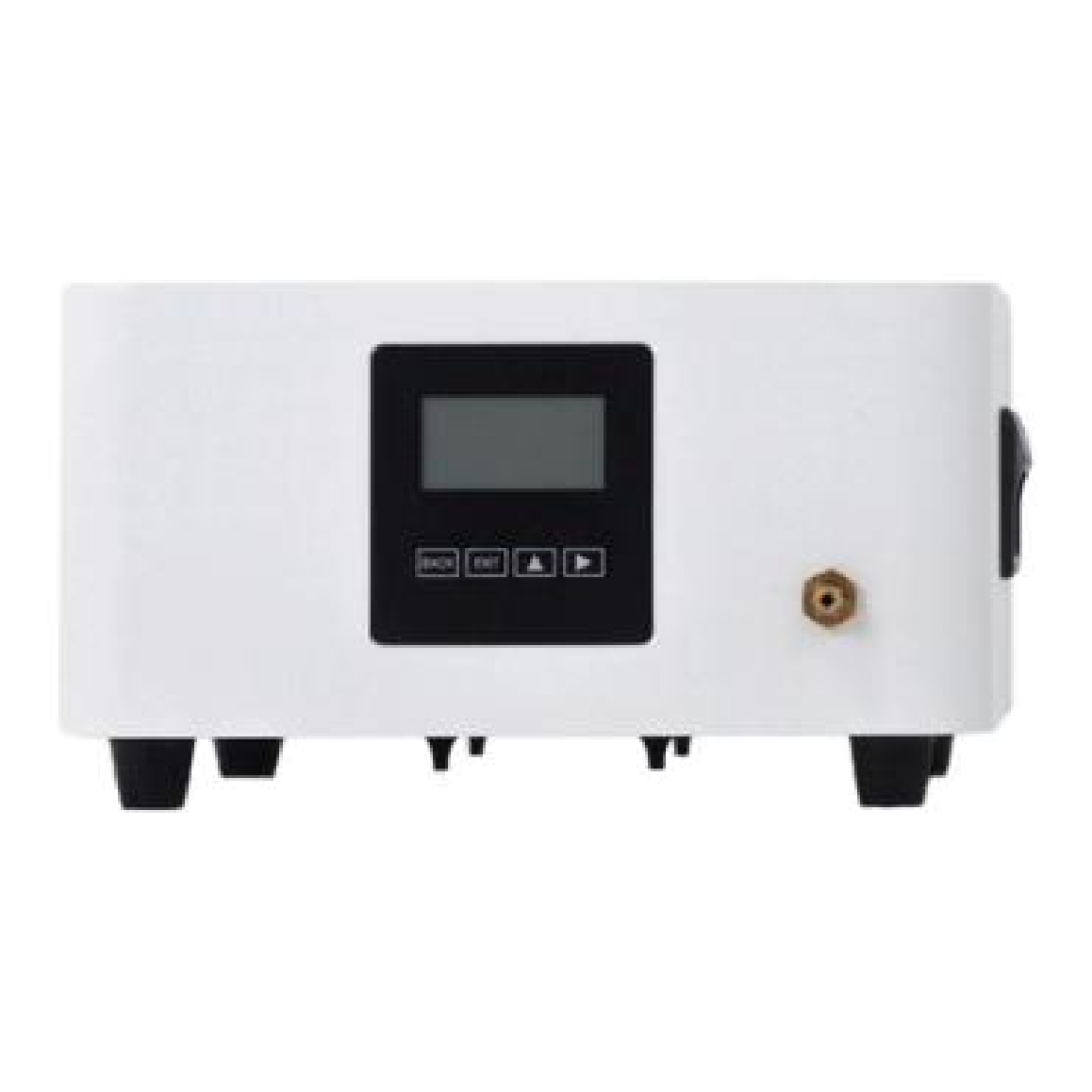
Design servicing into the commercial model
Large networks need predictable replenishment, maintenance and escalation. The service model should clarify central versus local responsibilities and how issues are reported and resolved.
[OPERATIONS CONFIRMATION REQUIRED] Detail on this topic is pending confirmation and is not invented in the prototype.

Measure the programme through commercial outcomes that matter
Clients can monitor rollout progress, service status and site feedback.
Client evidence
Plan a rollout
The Multisite Planner segments rollout complexity and returns an indicative pilot-first, standardised or clustered framework with the discovery inputs needed.
Planning tool
Multisite Planner
Get an initial approach to planning a scent programme across multiple locations.
About 3 minutes. You receive: an indicative rollout framework plus the discovery inputs required before scaling.
Questions we are often asked
Can every site use the same diffuser setting?
Usually not. The fragrance can be standardised, but output needs to reflect local volume, airflow, layout and operating conditions.
What information is needed before rollout?
At minimum, location details, target zones, site dimensions or volume proxies, airflow and ventilation context, access requirements and operating hours.
Can a programme start with a pilot?
Yes. A pilot can validate fragrance choice, installation approach, service process and the data needed before scaling to the wider network.
Related resources

Content guardrail: Do not state unsupported national service footprint or client location counts.
Start with the right conversation.
Build an indicative plan in a few minutes, or speak to a Scent Australia specialist about the site, the brand and the timing.