

A Commercial Guide to Fragrance Families
How commercial fragrance selection differs from personal choice: the main families, why brand fit and environment matter and how to test a direction in a real space.
Commercial fragrance selection starts with the brand, the audience, the environment and the operating context rather than personal preference. The main fragrance families (citrus, fresh, green, floral, woody, amber, aquatic, spicy and gourmand) narrow a shortlist; the overall impression in the space matters more than any single note; and every direction is confirmed by sampling in the actual environment at the intended intensity.
Reviewed by: Scent Australia fragrance review. Last reviewed: Pending first review.

How commercial fragrance selection differs
A personal fragrance is chosen for one person. A commercial fragrance is experienced by many people passing through a space with a purpose of its own, so it is chosen for brand fit, environment, audience and operational context, and set at an intensity that reads as part of the environment.
Fragrance families
Families are a practical way to narrow direction before sampling. Each carries a character and typical commercial contexts.
| Family | Character | Typical commercial context |
|---|---|---|
| Citrus | Bright, zesty top notes such as bergamot, lemon or grapefruit. Reads as clean and energising in arrival zones. | Entrances, reception, fitness reception, fresh retail concepts. |
| Fresh / clean | Linen, cotton, light aldehydes and soft musks. Reads as orderly and freshly kept. | Hotels, property display suites, clinics and amenities where a sense of care matters. |
| Green | Cut leaves, stems, fig leaf and tea. Reads as natural and outdoors. | Wellness-led brands, Australian-inspired concepts, atriums and garden-adjacent spaces. |
| Floral | From airy white florals to fuller rose or jasmine compositions. Range in intensity and sweetness. | Boutique retail, beauty, hotel spa and lounge zones where softness suits the brand. |
| Woody | Sandalwood, cedar, oud and dry woods. Reads as grounded and premium. | Luxury retail, menswear, hotel lobbies, private lounges and hospitality arrival zones. |
| Amber / oriental | Resins, vanilla, tonka and warm spice. Reads as rich and enveloping. | Evening venues, casinos and clubs, premium hospitality and winter programmes. |
| Aquatic | Marine, ozone and watery notes. Reads as open and cool. | Coastal brands, pools and leisure, contemporary retail. |
| Spicy | Pepper, cardamom, ginger and clove accents that add lift or warmth to a base. | Menswear, bars and restaurants' arrival zones, heritage brands. |
| Gourmand | Edible notes such as vanilla, caramel or coconut. Sweet and comforting. | Selective use: confectionery or bakery concepts, seasonal activations. Not suited to most food-led venues. |
Notes vs overall impression
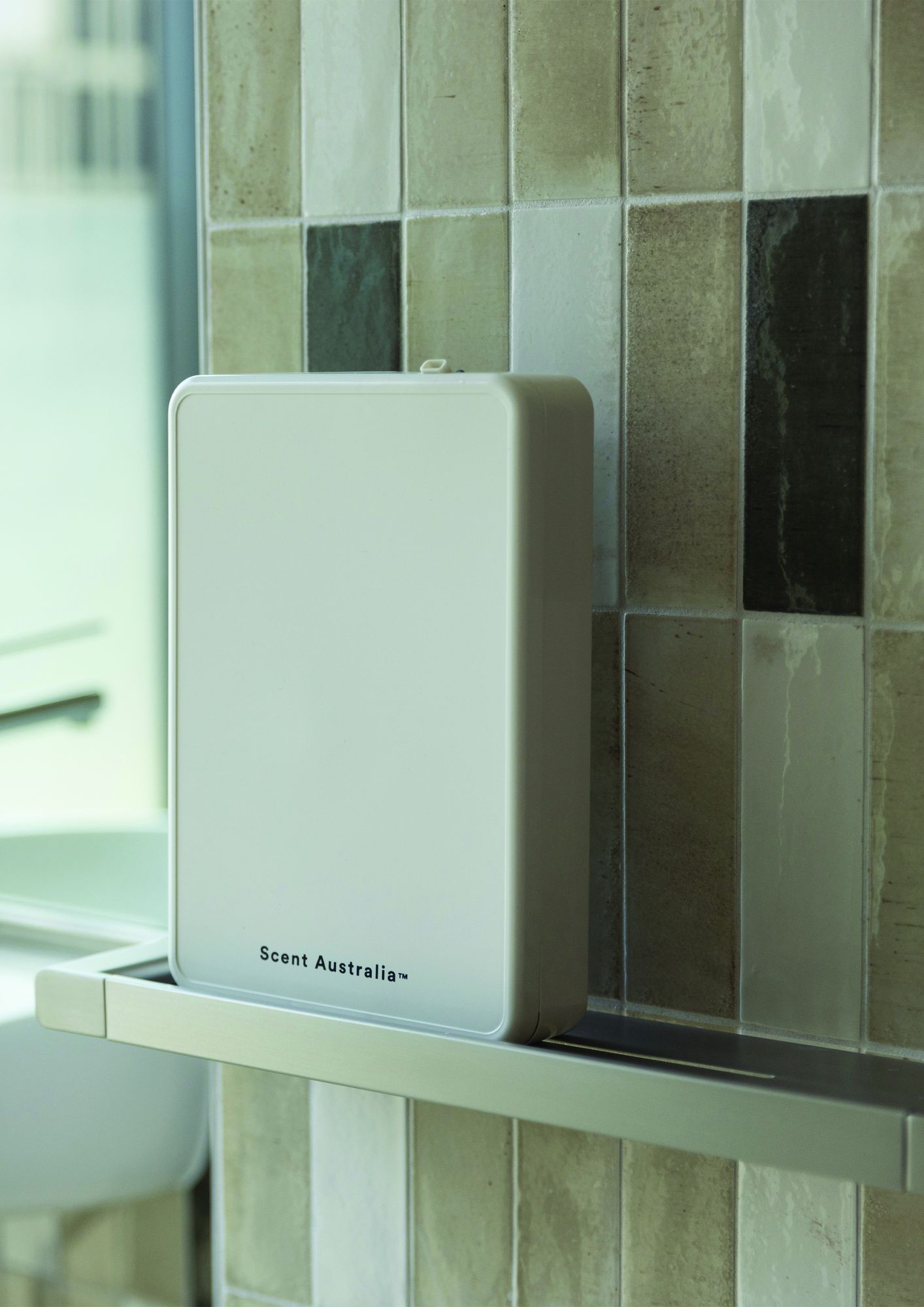
Fragrances are often described by top, heart and base notes. In a commercial space the overall impression at the set intensity matters more than the individual notes, which is why sampling happens in the space rather than only on a blotter.
Brand congruency
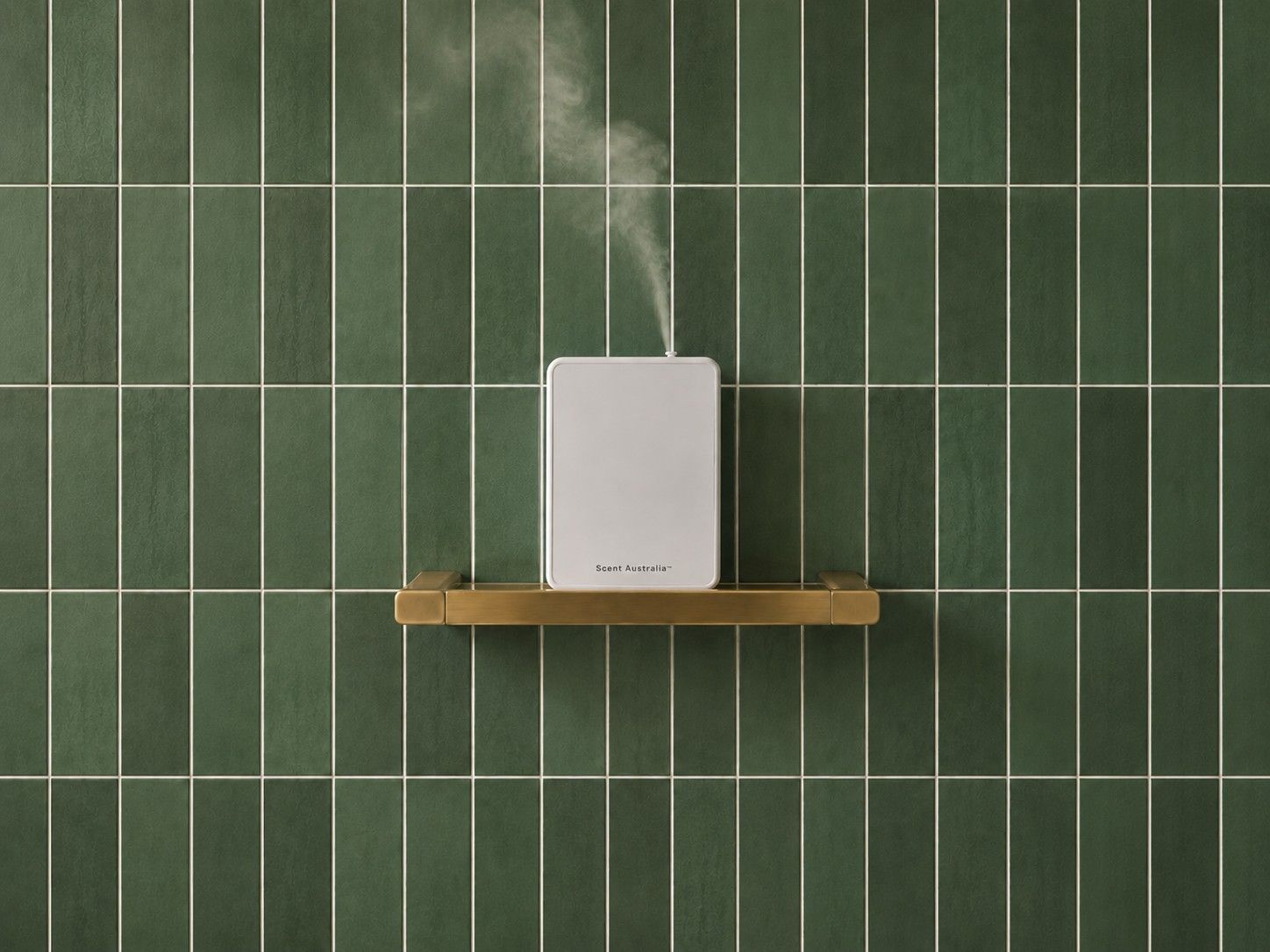
Fragrance strategy should be designed for the brand, audience and environment; research indicates that congruency between scent and surrounding cues can influence responses. Fit matters more than any general notion of a pleasant scent.
More on brand congruency
Industry context
Hotels lean towards fresh, woody and soft floral directions in lobbies; retailers select for brand character and store format; workplaces prefer subtle fresh and green directions; evening venues can carry amber and spicy directions; food-led hospitality zones are usually left unscented.

Intensity
Intensity is set through equipment output, operating hours, placement and blend. It is confirmed in the space, and it is deliberately lower where people spend long periods.
Testing in space
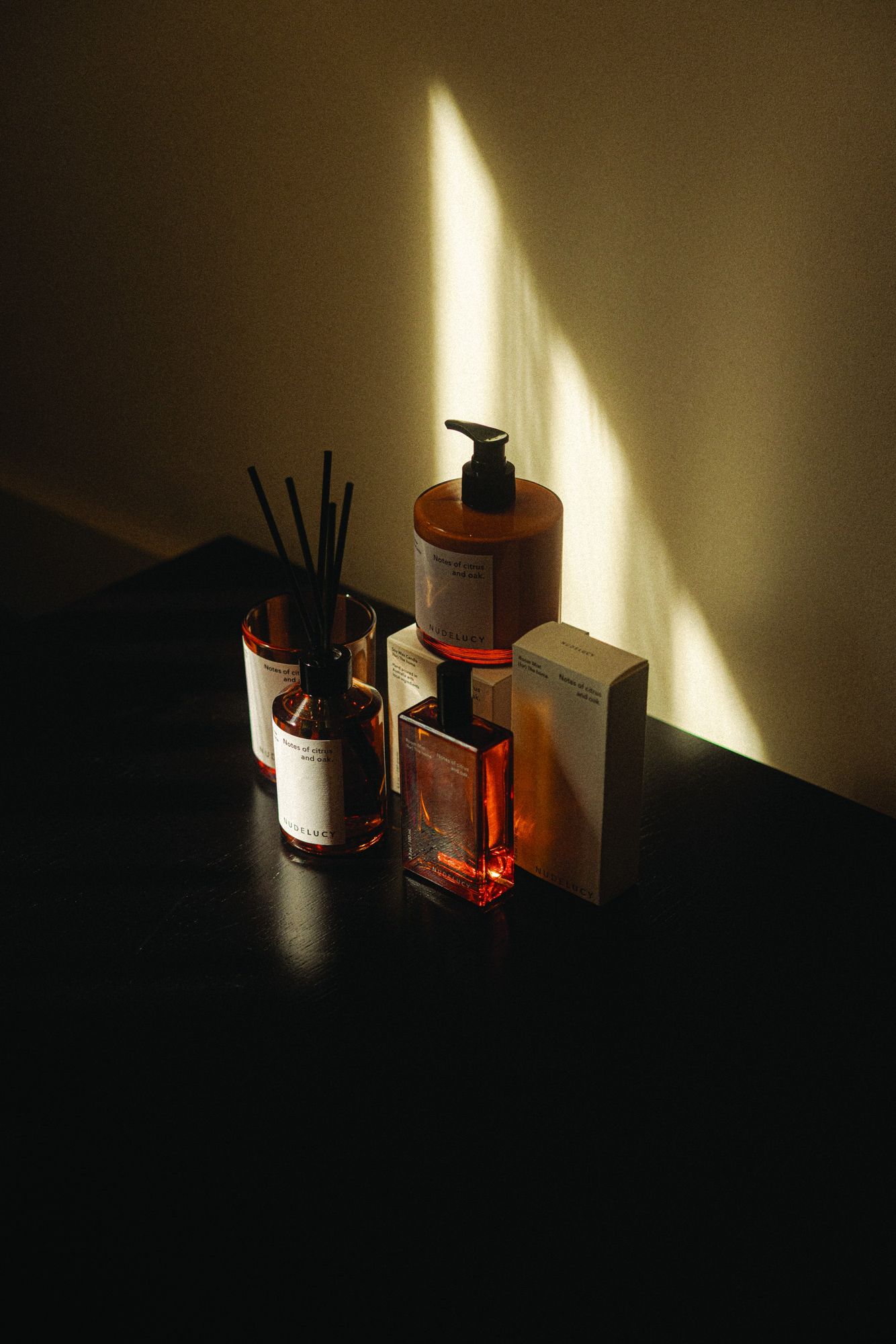
Sample the shortlisted directions in the actual environment at the intended intensity and at different times of day before deciding.
Signature vs library fragrance
An existing commercial fragrance is quicker to deploy and is right for many sites. A signature scent is developed when the fragrance needs to belong to the brand across environments and, where approved, products.
Find Your Scent
The business fragrance finder scores families against your brand cues and returns directions to sample.
Planning tool
Find My Business Fragrance
Answer a few questions and receive commercial fragrance directions for your business, with sample options.
About 3 minutes. You receive: three to five fragrance directions with the reasons they fit, selected indicative profiles and the commercial sample path.





Samples
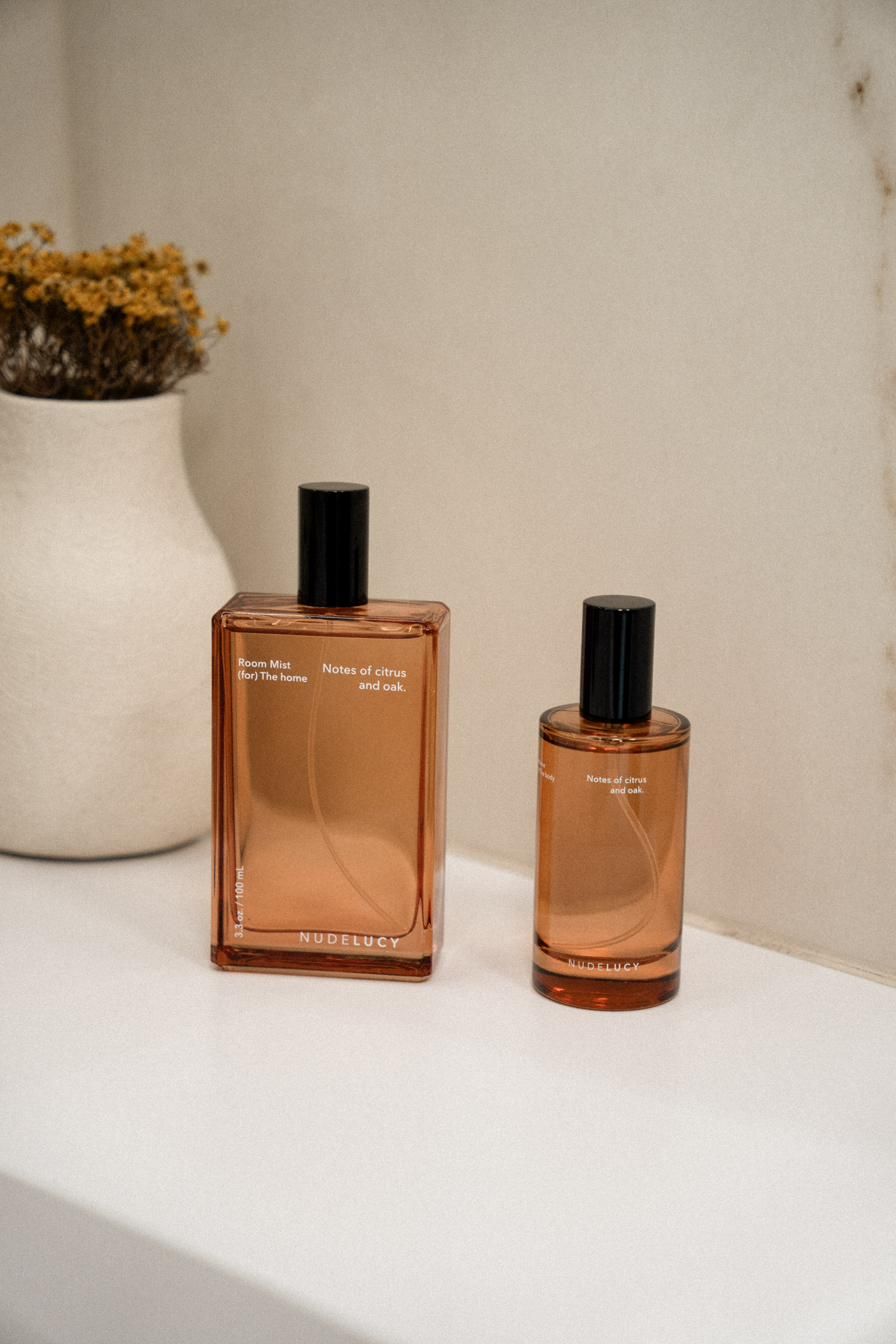
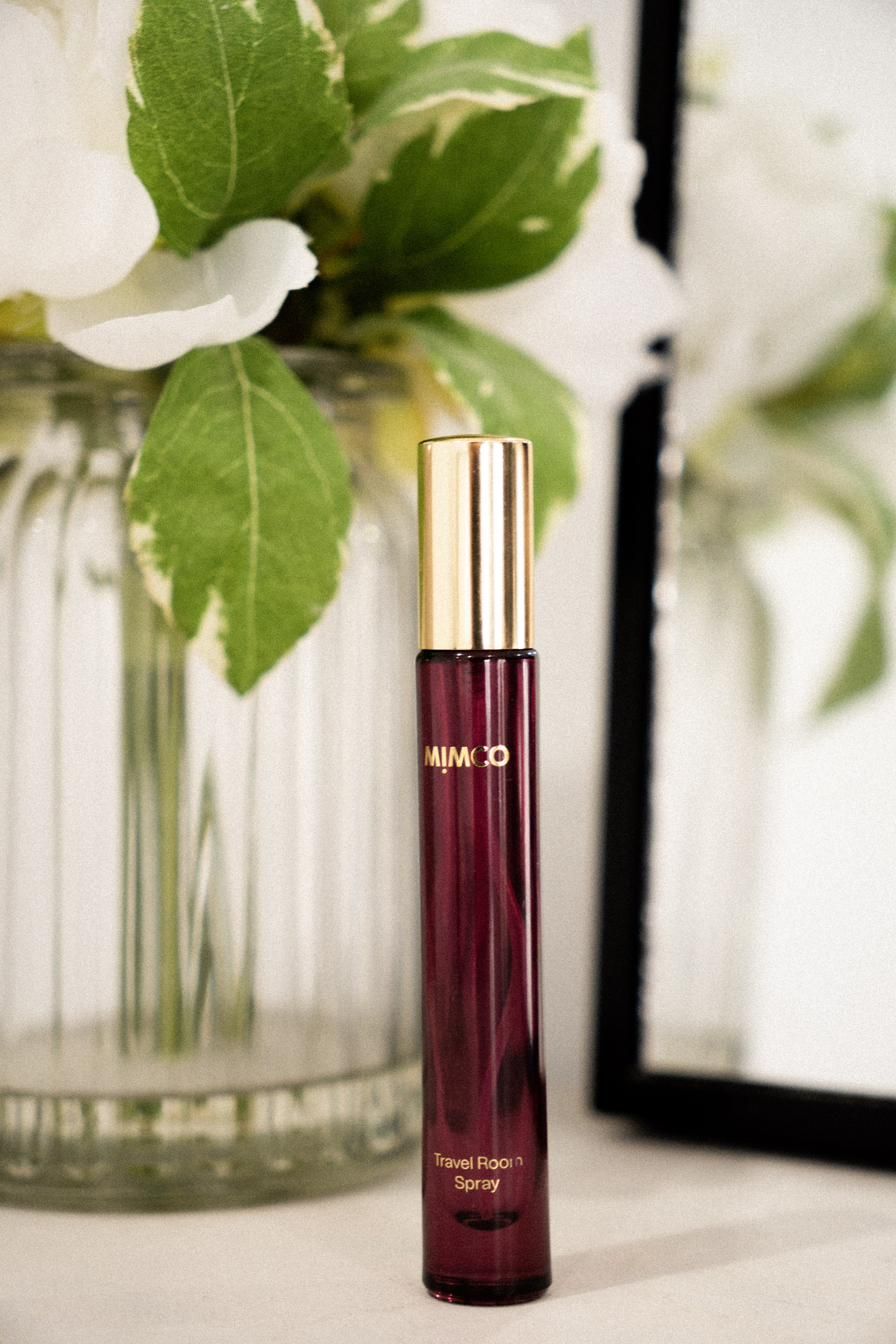
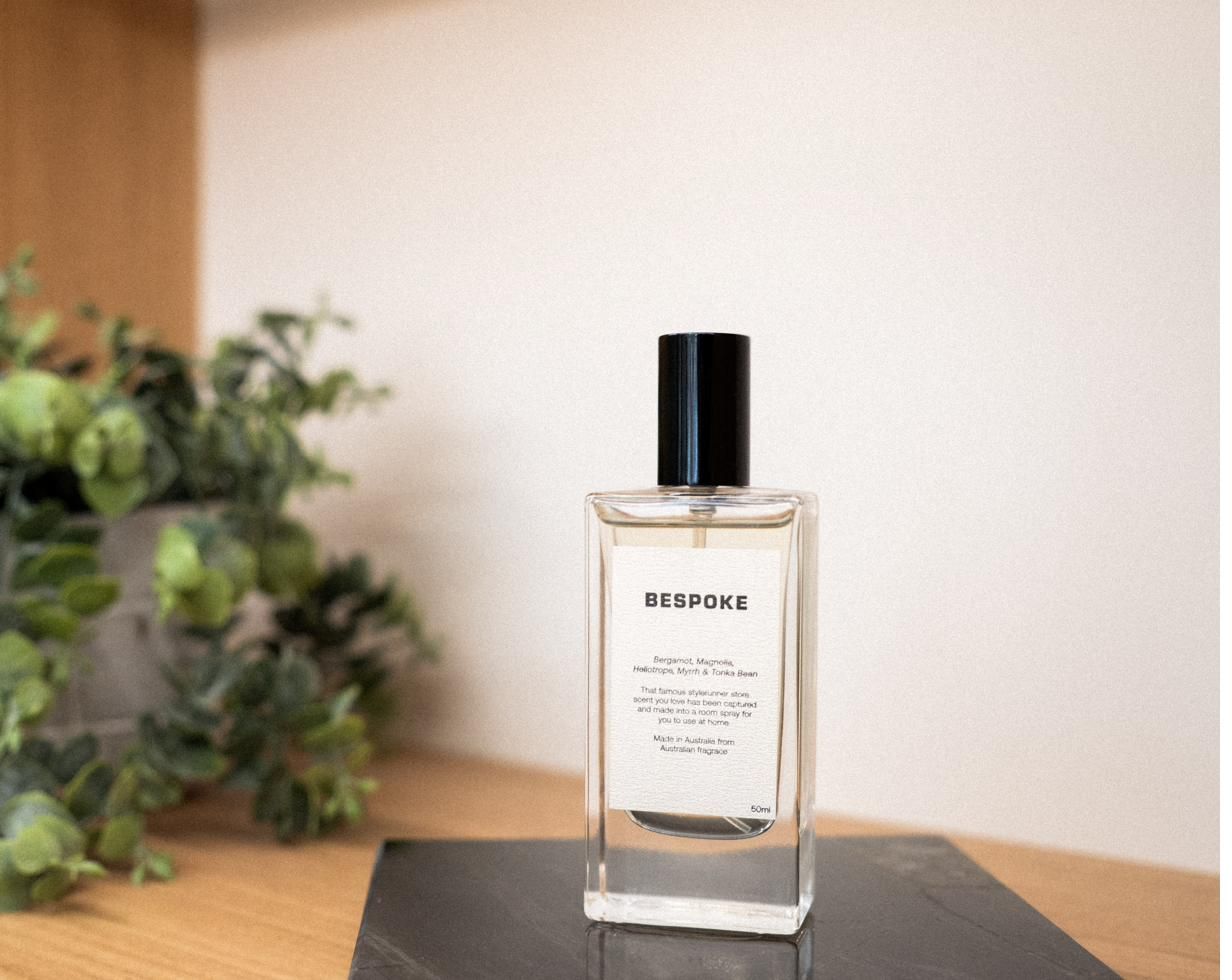
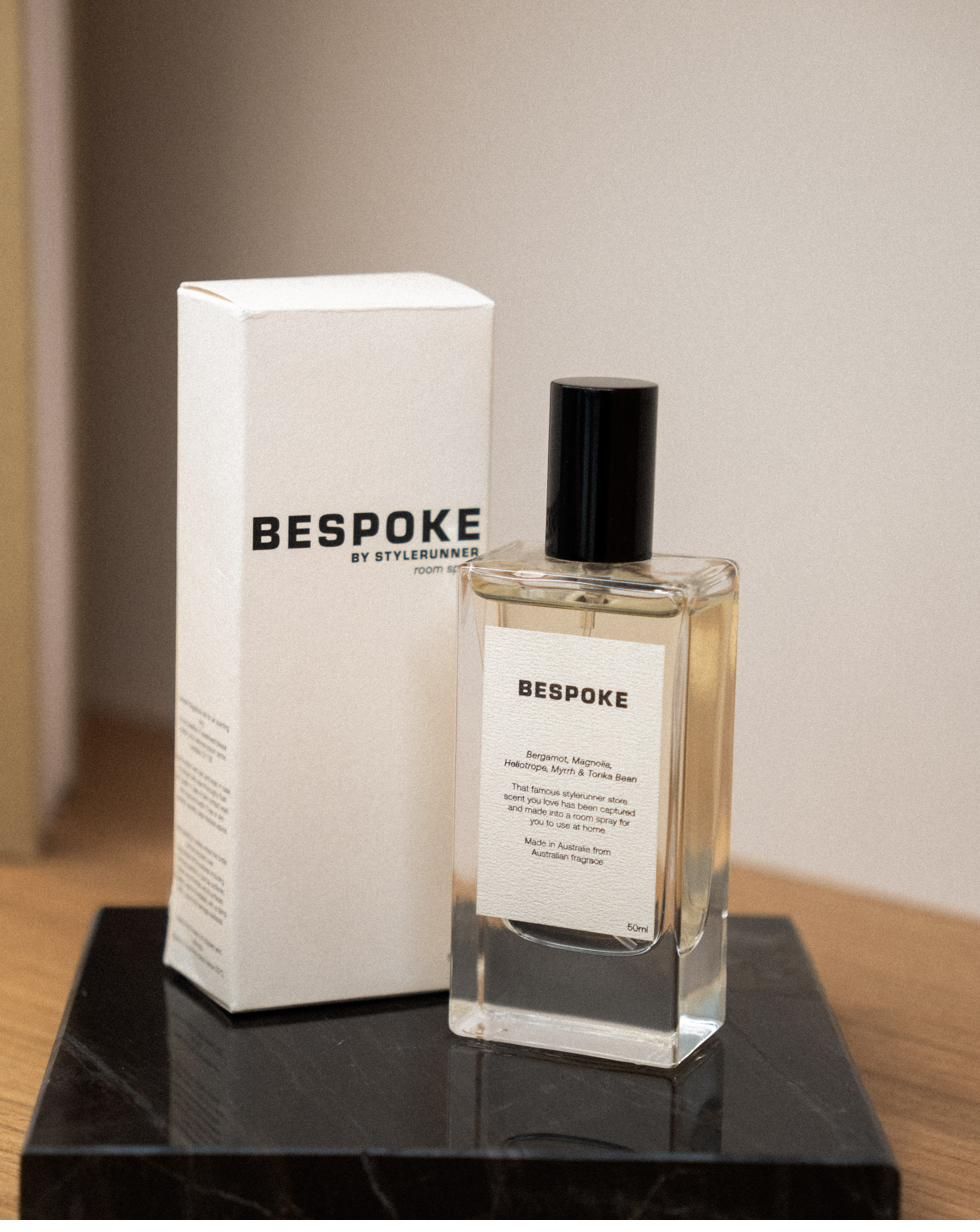
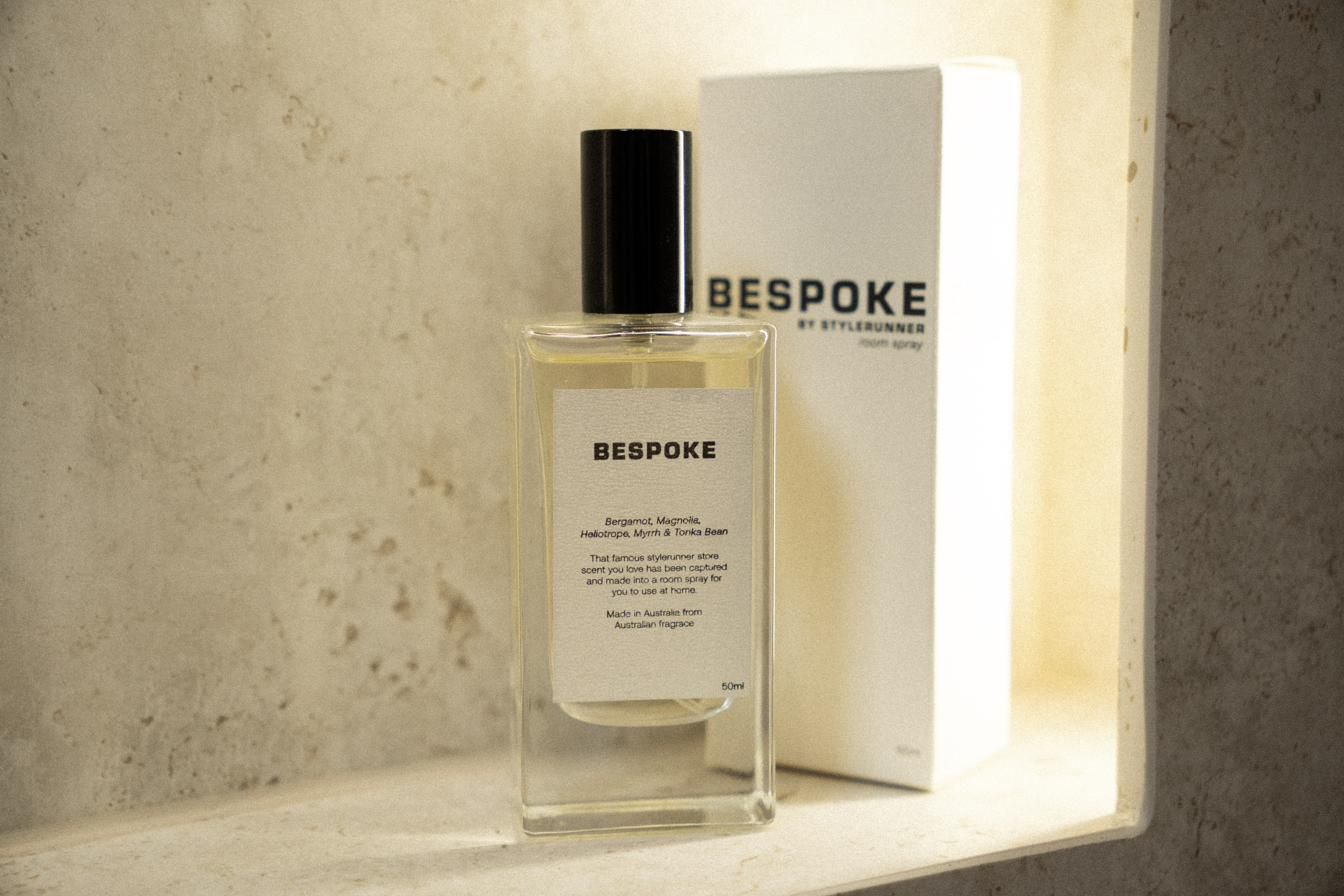
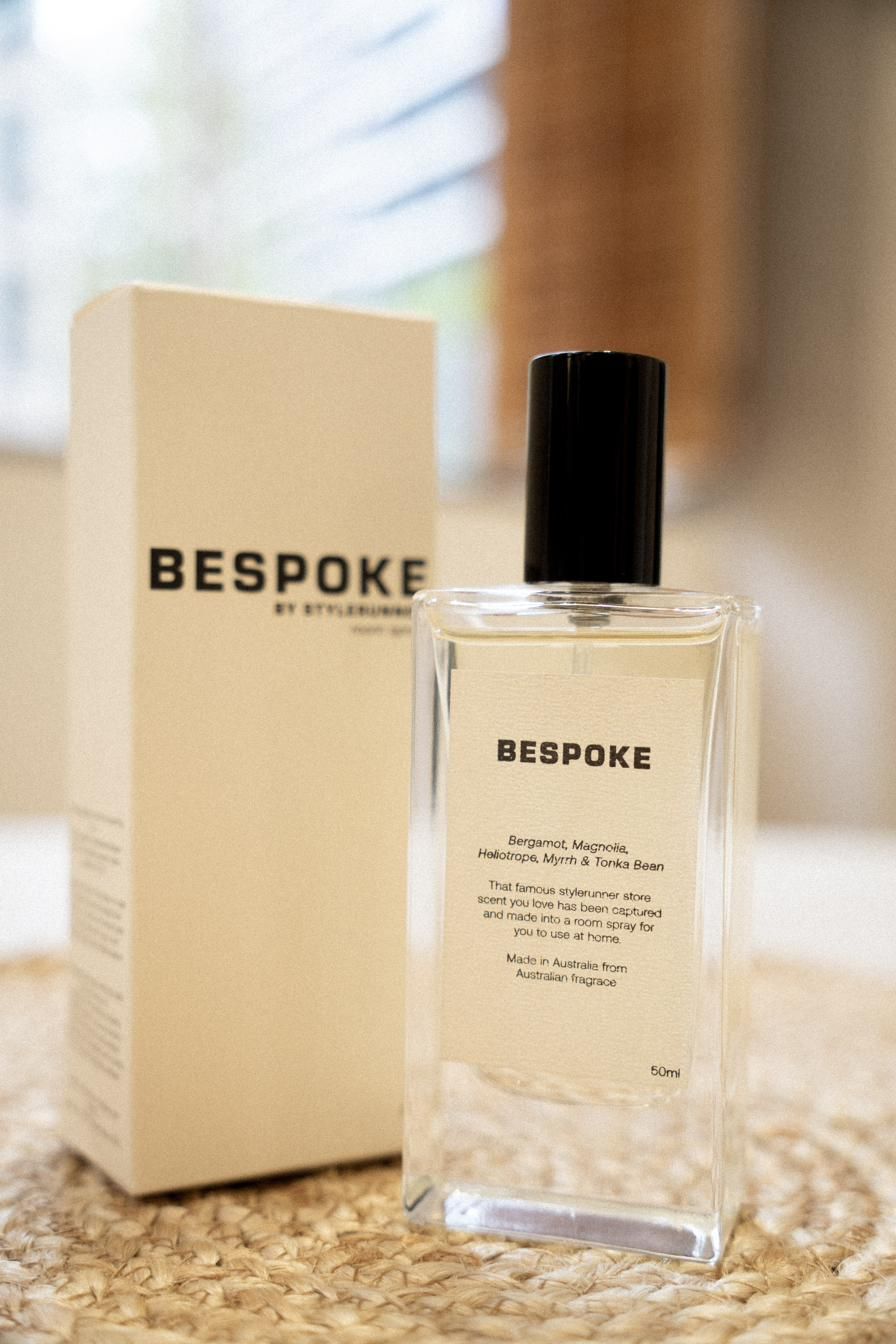
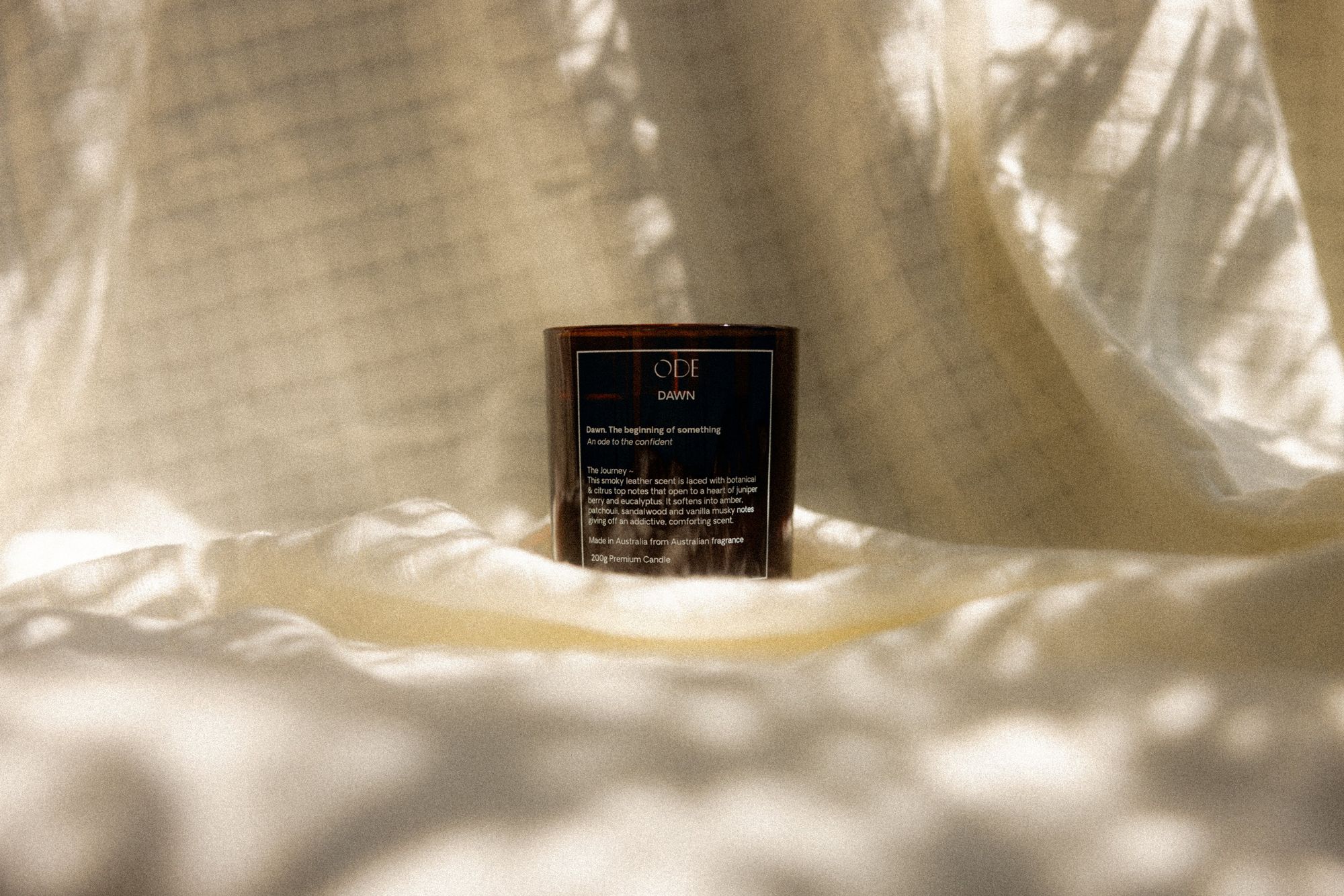
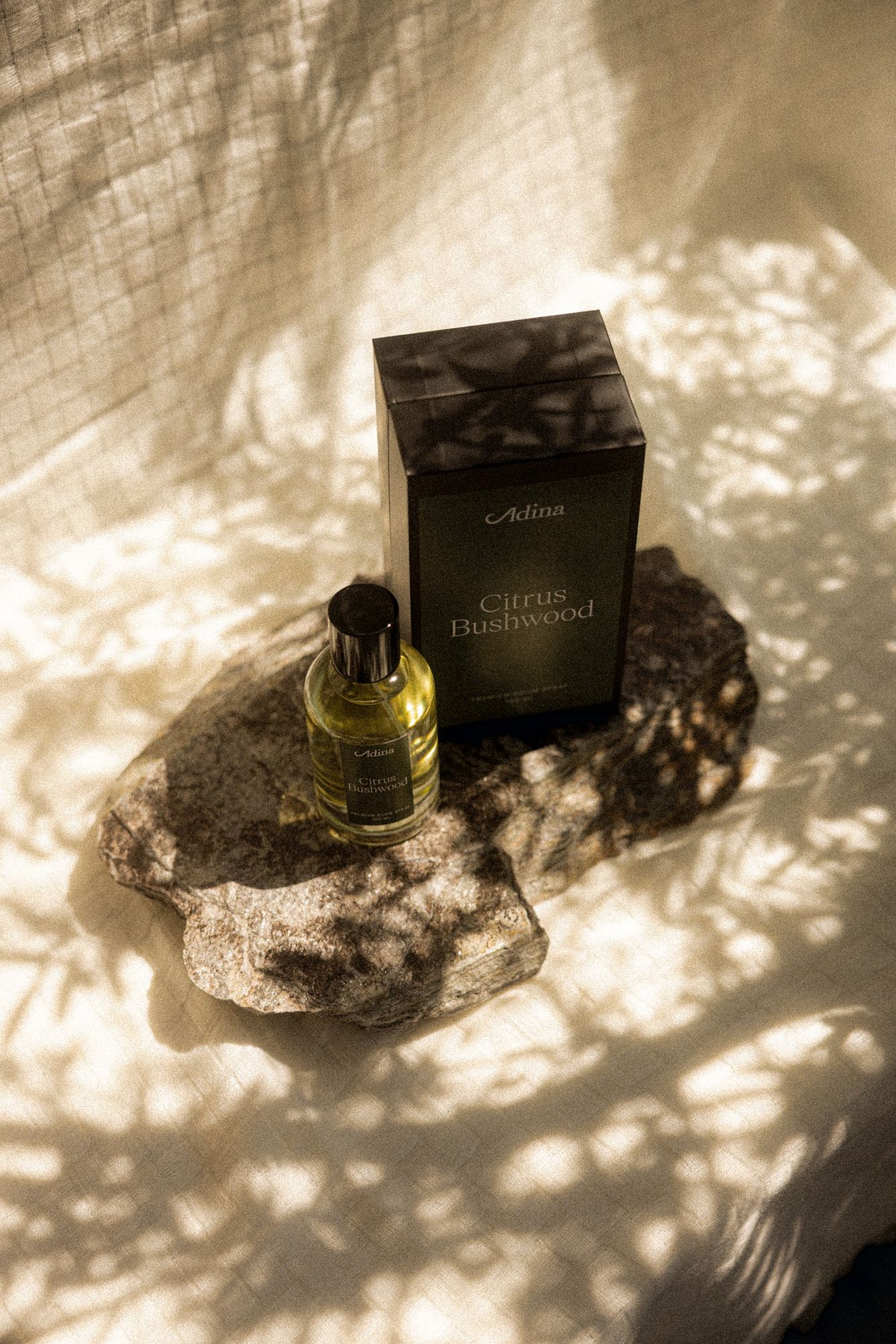
Commercial samples are curated for the site after business qualification.
Questions we are often asked
Which fragrance family suits a hotel, retailer or office?
Hotels often lean fresh, woody or softly floral; retailers select for brand character and format; workplaces prefer subtle fresh and green directions. Fit and testing in the space decide, not the label.
How should a business choose a scent?
Start with brand fit, environment, audience and operating context, narrow by family, then sample in the space at the intended intensity.
Do fragrances have health or therapeutic benefits?
Scent Australia does not recommend fragrances on the basis of health, therapeutic or guaranteed behavioural outcomes.
Related resources
Content guardrail: Do not recommend fragrances based on health, therapeutic or guaranteed behavioural outcomes.

Start with the right conversation.
Build an indicative plan in a few minutes, or speak to a Scent Australia specialist about the site, the brand and the timing.