


The Business Case for Commercial Scenting
How to build an internal business case and measurement plan for commercial scenting without relying on universal ROI claims.
A business can evaluate commercial scenting through four lenses: the experience objectives it wants scent to support, the cost drivers of the programme, the operational fit with the site and team, and the outcomes it can actually measure. Research shows ambient scent can influence how people evaluate an environment under some conditions, but it does not support a universal sales or ROI figure, so the business case is built on objectives, cost and a measurement design agreed before deployment.
Reviewed by: Scent Australia commercial review. Last reviewed: Pending first review.
What value can scent create?
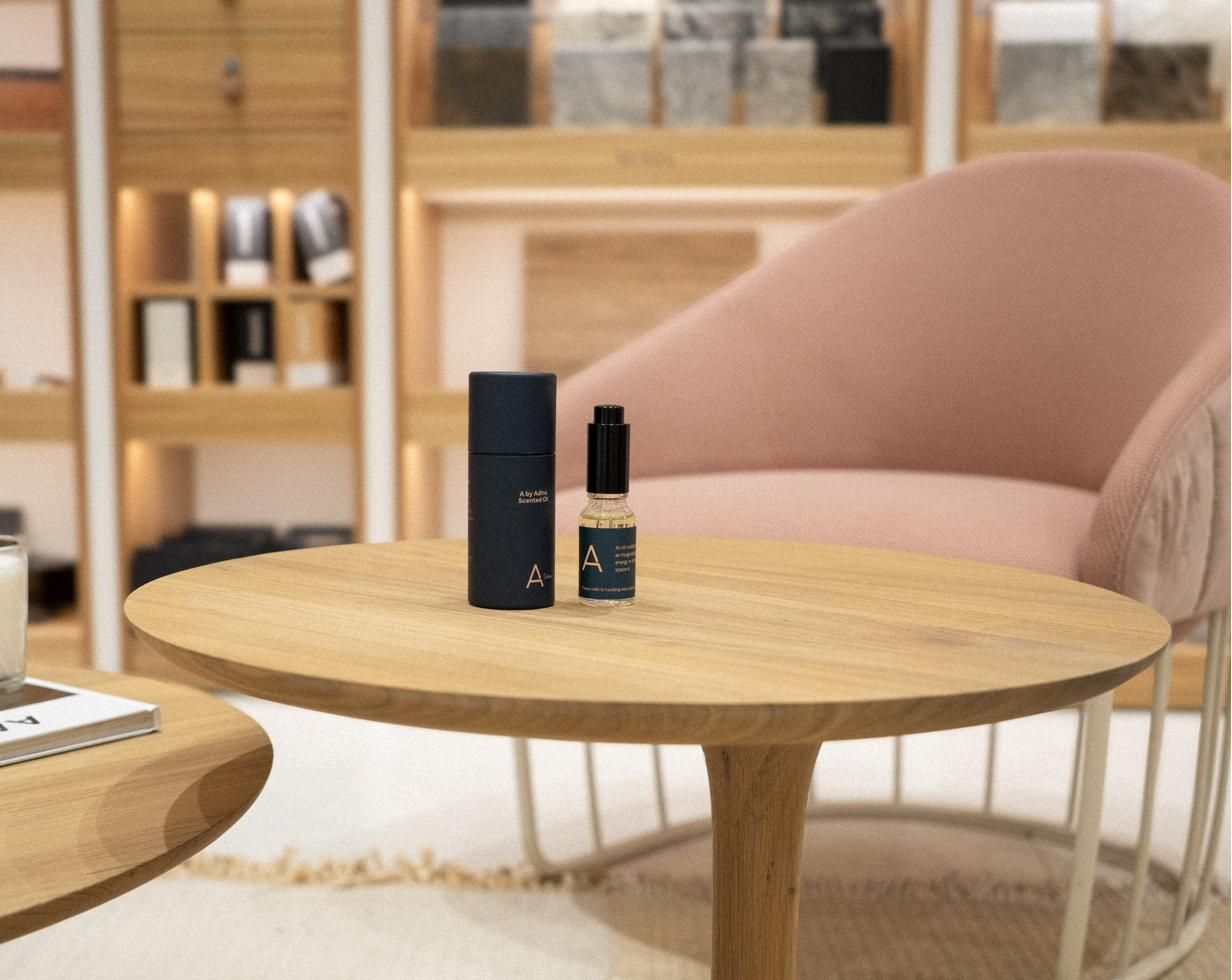
Scent can be one component of a broader sensory brand experience and can influence how environments and brands are perceived. Effects depend on context, congruency, intensity, audience and task. The value a business seeks is therefore expressed as an experience objective: a consistent arrival impression, a recognisable brand cue across sites, a considered atmosphere in a lounge.
More on what value can scent create
What research can support
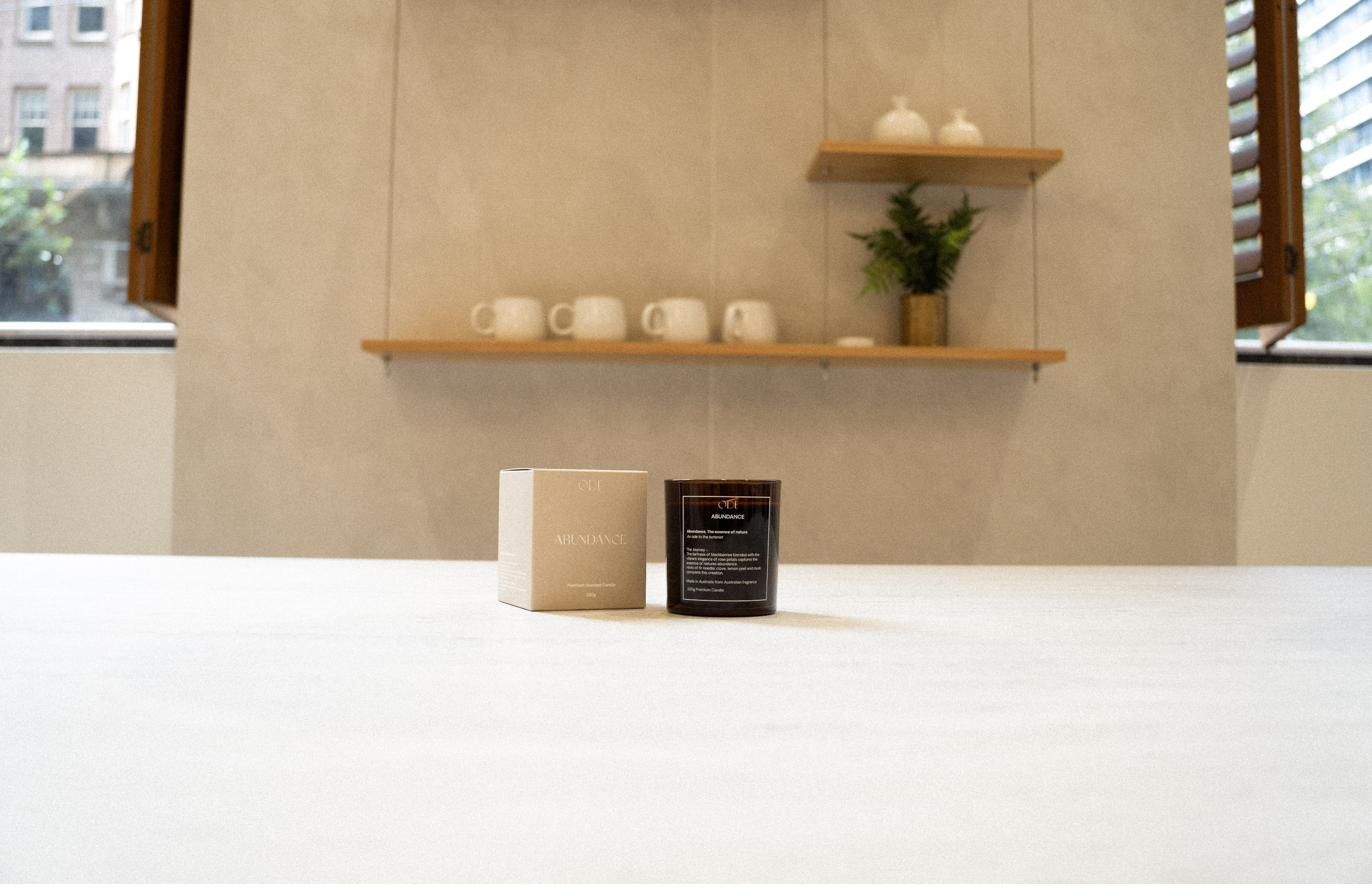
Research in both controlled and real-world retail settings shows that ambient scent can influence how shoppers evaluate an environment. Experimental research has found that ambient scent can improve attention and later brand memory in some controlled settings. Some field studies have reported changes in time spent, evaluations or sales under specific scenting conditions.
More on what research can support
What research cannot prove
A study showing an association in one context does not justify a universal percentage claim. Legacy figures such as expenditure and linger-time percentages have been withdrawn from Scent Australia content pending exact primary sources. No universal sales uplift, dwell-time, loyalty or ROI claim is used.
| Claim | Why it is not used |
|---|---|
| 75 per cent of emotions are generated by smell | Exact percentage lacks sufficiently strong primary provenance. |
| Ambient scent increases expenditure 3 to 23 per cent | Not established as a general outcome across industries or settings. |
| Ambient scent increases linger time 25 to 40 per cent | Not supported as a universal commercial outcome. |
| All fragrances are 100 per cent safe | Absolute safety claims are not supportable. |
| No harmful chemicals | Undefined absolute claim can be misleading. |
| IFRA compliant means fully safe or regulator-approved | IFRA itself states Standards may not be sufficient for all obligations. |
| Any pleasant scent improves customer behaviour | Effects depend on congruency, intensity, environment and audience. |
| Scent guarantees ROI | No research basis for a universal commercial ROI guarantee. |
Cost drivers
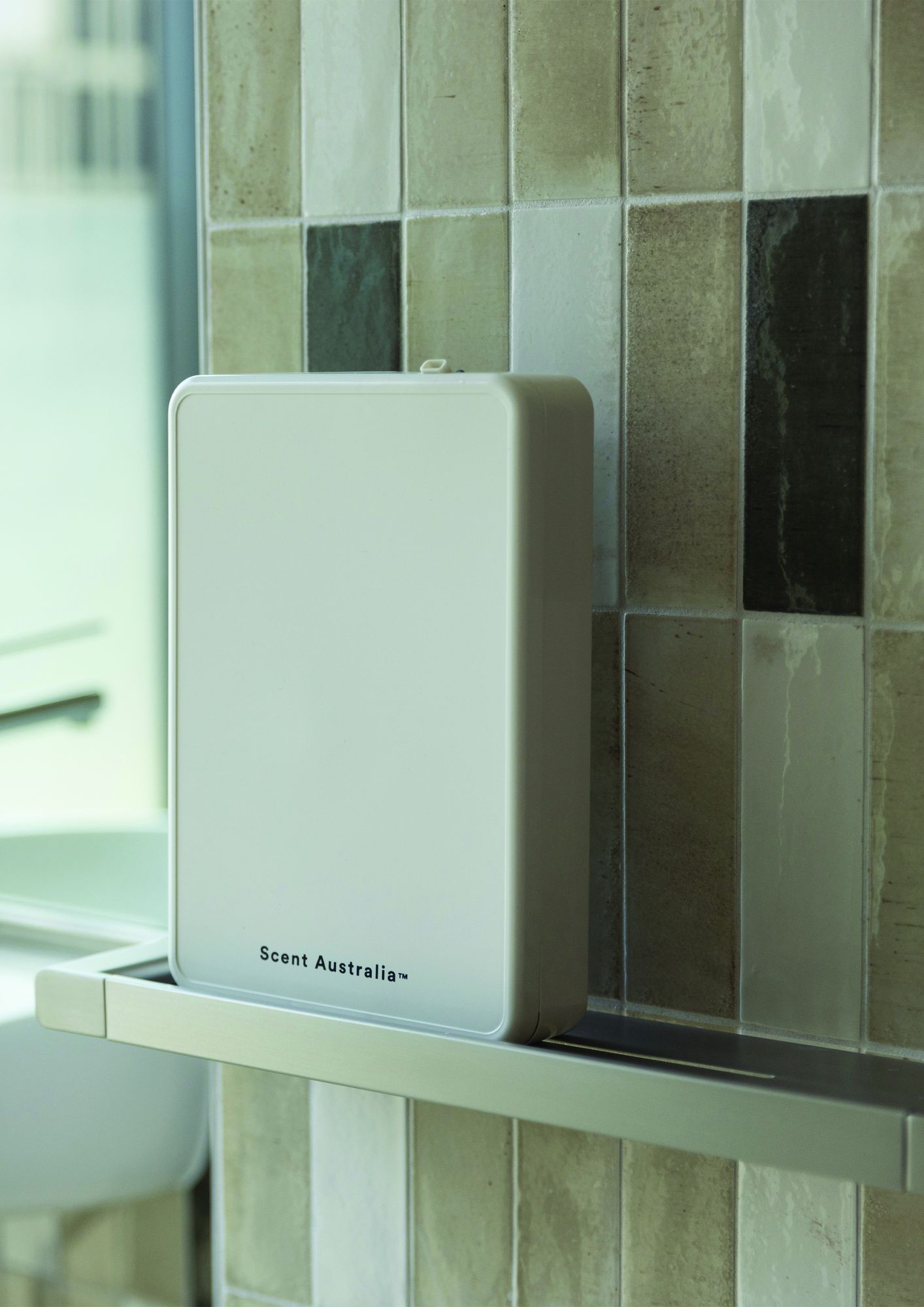
Space and zoning, delivery method, operating schedule, fragrance programme, service model and project scale. Quotes are made against scope rather than a single universal price.

How to set objectives
Write objectives the programme can be held to: the zones that should carry the brand cue, the atmosphere they should have, how consistent the network should be and what service standard is expected. Separate objectives from proven outcomes.
Measurement framework
Measurement is designed before deployment. Choose measures the business already trusts, define the comparison (before and after, matched sites or a pilot group), agree the period and record confounders such as promotions, weather and refurbishments.
| Layer | Example measures | Note |
|---|---|---|
| Programme delivery | Rollout completion, service status, setting compliance | Operational and fully measurable |
| Experience | Guest, customer or staff feedback captured in the client's existing surveys | Client-owned; attribute carefully |
| Commercial | Measures the business already tracks, compared across a defined design | Only with a valid measurement design and client approval |
Pilot design
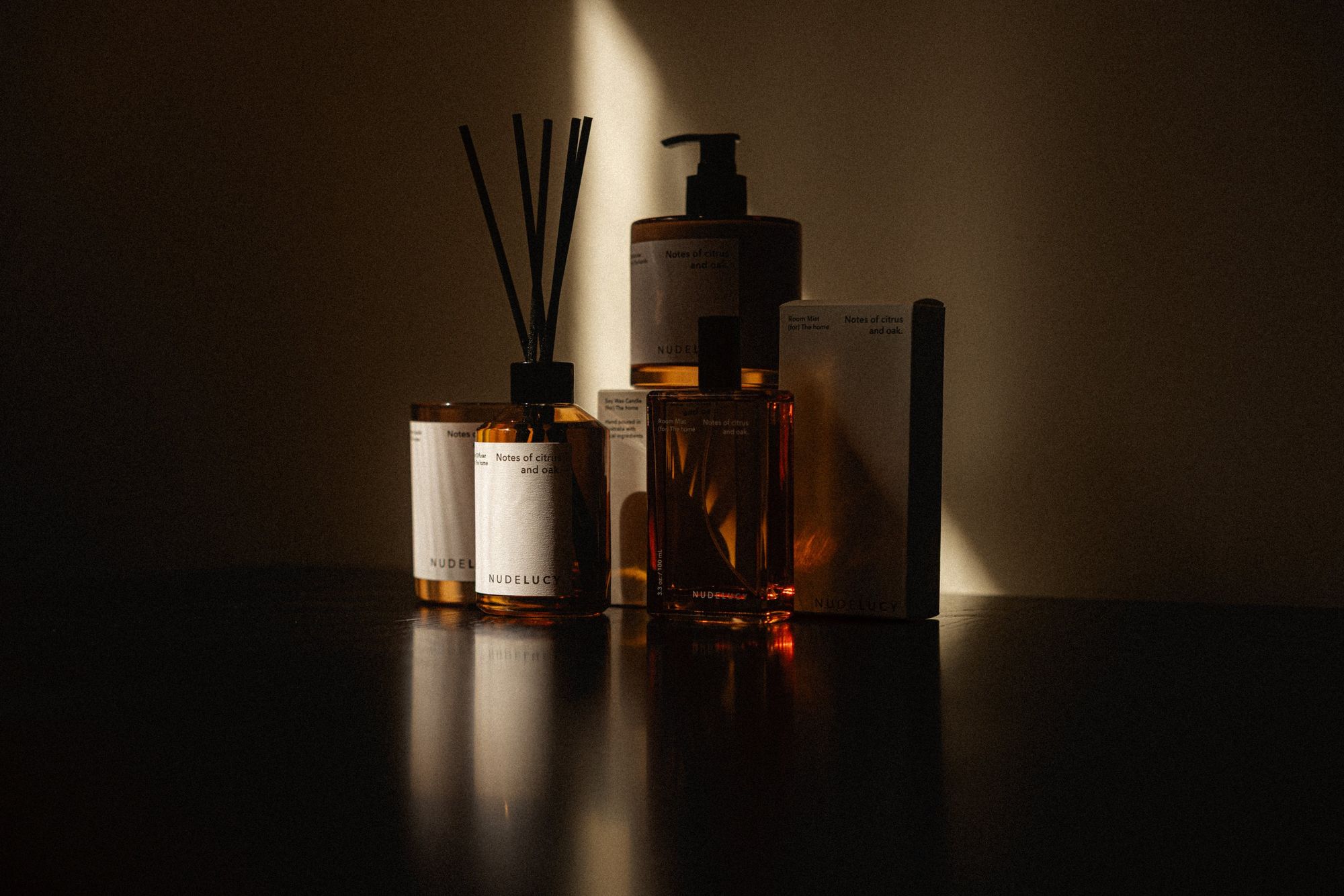
A pilot validates fragrance choice, installation approach, service process and the data needed before scaling. Define the pilot sites, the comparison sites, the period and the measures before installation.
Multisite economics
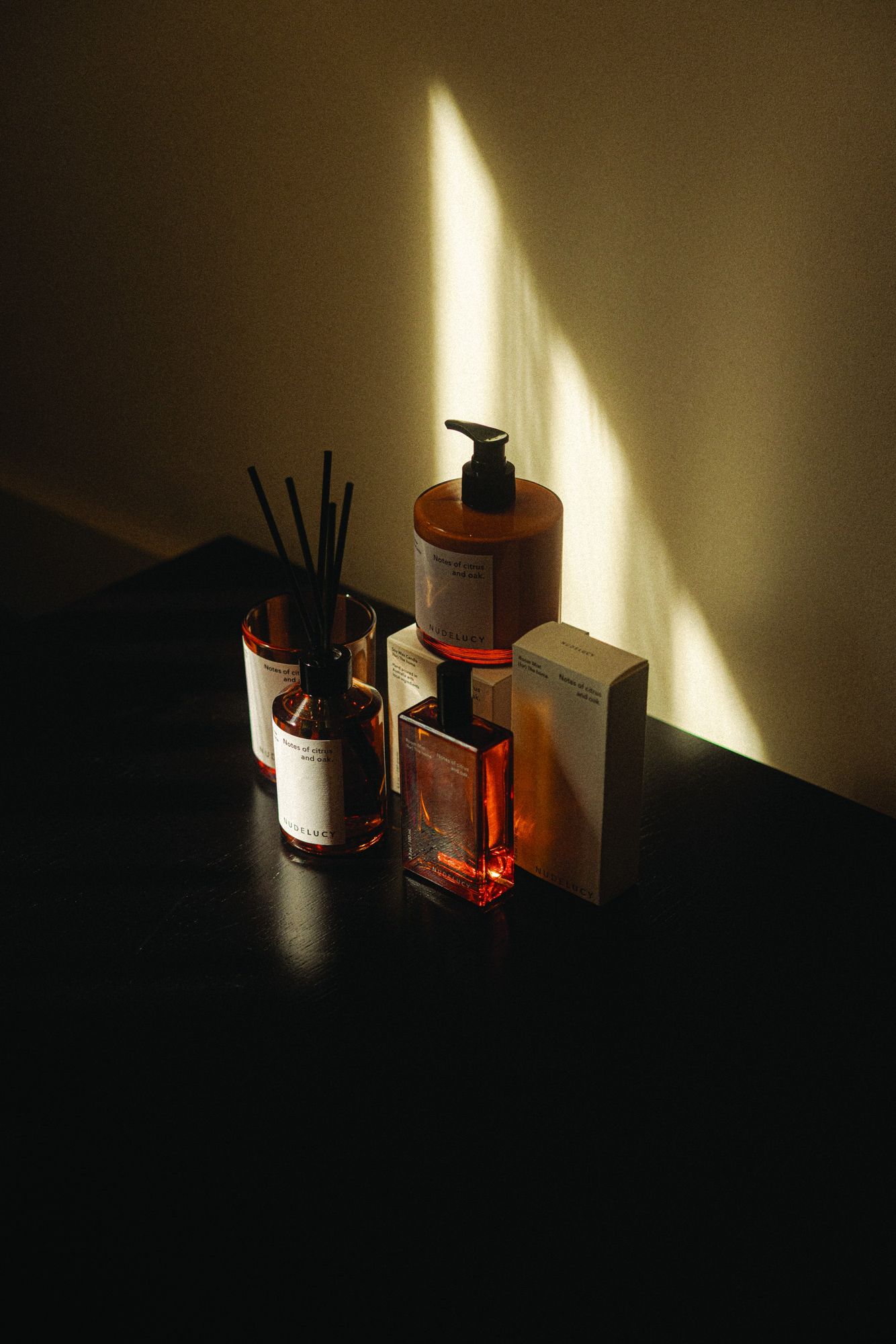
Networks reduce one-off decisions through standards: approved equipment classes, a site register and a central service process. Exceptions are planned rather than improvised.
Build a business case
Use the worksheet structure below with your own figures. No benchmark values are supplied.
Keep this checklist
Print this page or save it as a PDF from your browser.
More on build a business case
- Objective: what scent should do for the brand and where
- Scope: zones, sites, delivery method, fragrance programme
- Cost drivers: as quoted against scope
- Operational fit: access, service responsibilities, approvers
- Measurement design: measures, comparison, period, confounders
- Decision gates: pilot review, rollout approval
Questions we are often asked
Does scent marketing increase sales?
The evidence does not support a universal outcome. Some field studies have reported changes under specific conditions; results depend on intensity, congruency, context and setting.
How should a business measure it?
Design measurement before deployment: trusted measures, a defined comparison, an agreed period and recorded confounders.
What does commercial scenting cost?
It is quoted against scope. The drivers are space and zoning, delivery method, operating schedule, fragrance programme, service model and project scale.
Related resources

Content guardrail: No universal sales uplift, dwell-time, loyalty or guaranteed ROI claims.

Start with the right conversation.
Build an indicative plan in a few minutes, or speak to a Scent Australia specialist about the site, the brand and the timing.