Scent Is Becoming the New Language of Experiential Design

What makes a space unforgettable? It is rarely just what we see. It is the way a room feels as we move through it — the light, the sound, the materiality, the atmosphere and, increasingly, the scent.
A recent Dezeen feature on Villeroy & Boch and Ideal Standard’s Design Continuum installation offers a compelling example of where experiential design is heading. Presented at Milan Design Week, the installation used light, sound, texture and scent to transform bathroom products into immersive spatial experiences.

From products to experiences
In the article, Dezeen describes a sequence of rooms where visitors encounter bathroom products through projection, sound, water, texture and fragrance. Rather than presenting basins and fittings as static objects, the installation places them inside living environments — spaces that shift, respond and create atmosphere.
This is an important signal for retailers, hotels, commercial interiors, showrooms, wellness spaces and property brands. The most memorable spaces are no longer designed around visuals alone. They are designed around multi-sensory memory.
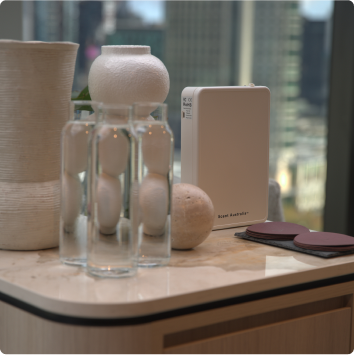
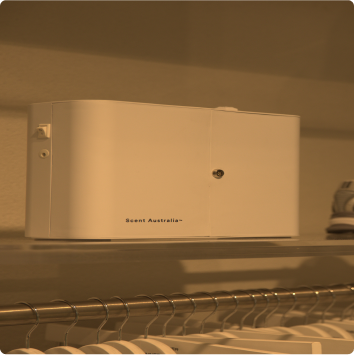
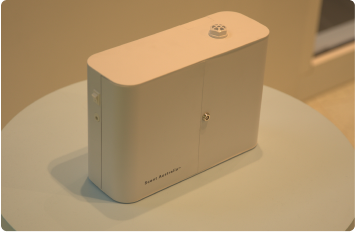
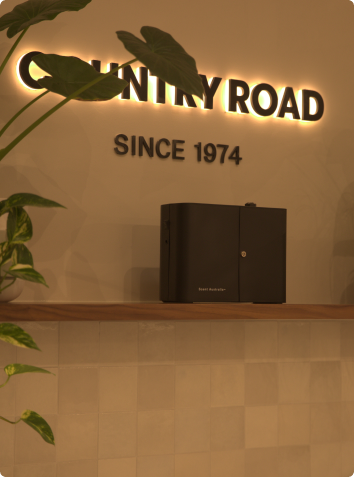
For Scent Australia, this is where fragrance becomes powerful. A carefully chosen scent can turn a beautiful space into a branded experience people remember long after they leave.
Scent changes how people perceive a space
One of the most interesting parts of the installation is the use of fragrance around water fittings. The scent was not an afterthought. It was used to extend the perception of water beyond function — turning a tap into something more atmospheric, emotional and sensory.
This same principle applies in commercial environments. A lobby can feel more refined. A retail space can feel more premium. A wellness studio can feel calmer. A display suite can feel more inviting. A hotel corridor can feel warmer and more memorable.
Scent works because it gives a space an emotional identity. It helps customers understand how the brand should feel, not just how it should look.

Why scent belongs in the design conversation
Interior design often begins with visual language: colour, texture, lighting, material and form. But scent has the ability to connect these elements into a fuller experience.
A stone reception desk, warm lighting and soft furnishings may suggest calm luxury. Add the right fragrance — perhaps amber, cedarwood, sandalwood, fig, green tea or white florals — and the atmosphere becomes more complete.
That is the difference between a space that looks designed and a space that feels designed.
Brand scent creates consistency
For national brands, fragrance can also create consistency across multiple locations. A customer might walk into a hotel in Melbourne, a showroom in Sydney or a retail store in Brisbane and immediately recognise the atmosphere before they notice the signage.
This is where scent marketing becomes more than a finishing touch. It becomes part of the brand system.
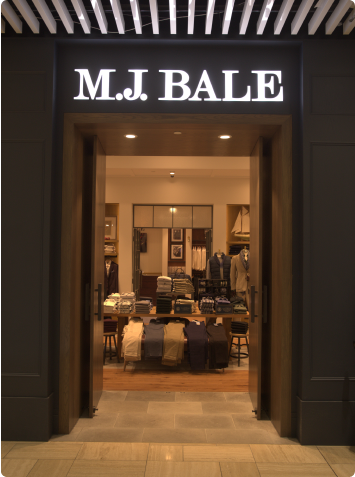
- Retail: Create a premium, immersive shopping experience.
- Hotels: Build a recognisable arrival moment from the lobby onwards.
- Display suites: Help buyers emotionally connect with a future home.
- Workplaces: Support calm, focus and hospitality-led environments.
- Wellness and fitness: Reinforce cleanliness, energy or relaxation.

The future of experience is multi-sensory
The Design Continuum installation is a strong reminder that the future of interiors, retail and hospitality is not purely visual. The spaces people remember are the spaces that engage more than one sense.
For brands, this creates an opportunity. Scent can help define the mood of a space, strengthen recall and create a more emotional connection with customers, guests and visitors.
When fragrance is designed with intention, it becomes part of the architecture of the experience.
Bring sensory design into your space
Scent Australia works with brands, hotels, retailers, workplaces and commercial spaces to develop fragrance experiences that feel considered, memorable and aligned with their identity.
Reference: This article was inspired by Dezeen’s feature on Villeroy & Boch and Ideal Standard’s Design Continuum installation at Milan Design Week. Photography and video links are credited to Dezeen / Villeroy & Boch.
Share this post



 Brian Clark